
How Fall Weather Changes Chicago River Cruise Experiences
By the time the first cold front blows across the lake, the Chicago River feels like a different stage. Summer’s glare softens, the skyline sheds a bit of its gloss, and the boats keep running while the city slips into a more candid mood. If you have taken a summer cruise before, fall will surprise you. The architecture is the same, but the experience changes with the wind, the light, and the calendar.
What the season really does to the river
Fall cools the air quickly, usually faster than the water. Average highs here slide from the low 70s Fahrenheit in September to the low 60s in October, then the upper 40s by November. On the river, you feel another 5 to 10 degrees colder because of wind over open water. The boat’s speed adds a steady breeze, and gusts funnel down the corridors between towers. You can sit in the sun in September and feel warm, then round the Wrigley Building bend and want a hat five minutes later.
The light shifts, too. Sun angles drop day by day, which is great for seeing detail on facades. Broad daylight in June can bleach limestone and glass alike. In October, you get shadows that model stone and terracotta. The stepped setbacks on the Carbide and Carbon Building pop. The fluted piers on the Civic Opera House read from far off. Even the river’s surface looks different, less glitter, more mirror.
Crowds thin after Labor Day. You start hearing more Chicago accents on deck, and fewer bachelorette groups taking the same selfie. That changes the pace of narration on many chicago architecture boat tours. Guides have room to go deeper or to take questions without talking over the hum of twelve side conversations. If you are there to listen, fall is generous.
Light, shadow, and the buildings you actually see
If you care about architecture, fall might be the high season. The lower sun puts relief into old masonry and adds color to modern curtain walls. Aqua’s ripples throw longer stripes into afternoon light. The bronze tones on 333 Wacker read richer against a cooler sky. Glass towers that felt flat in July turn into a stack of planes you can read because the sun no longer sits directly overhead.
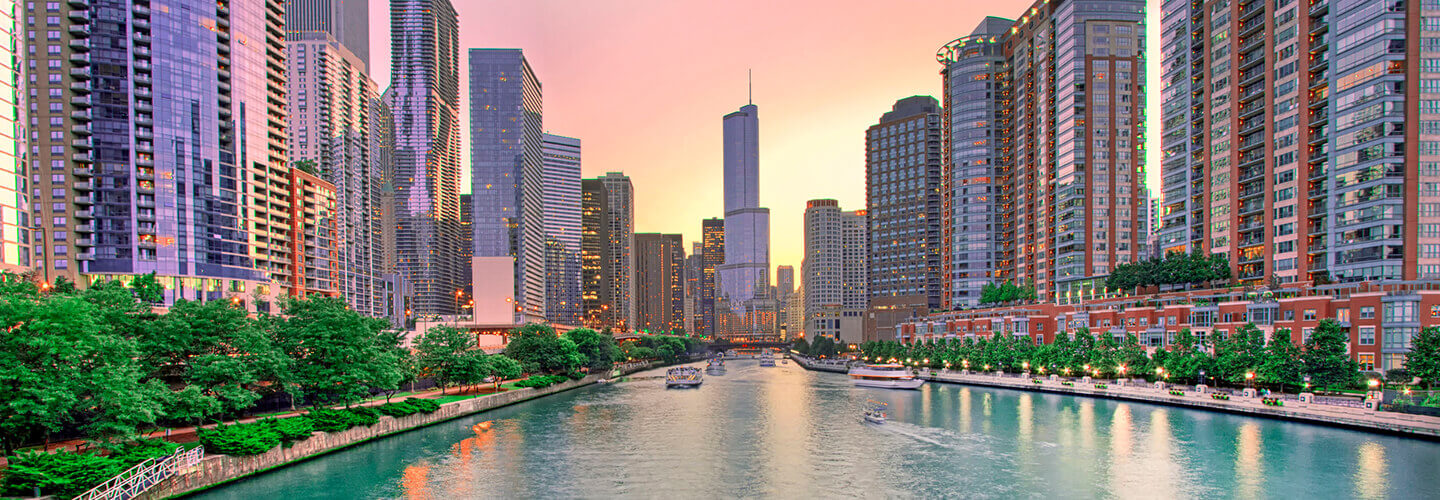
Timing is the trick. On sunny September afternoons, the west branch can flare with gold around 4 to 5 pm, especially near Wolf Point. By mid October, that light window shifts earlier. After the time change in early November, golden hour can start before 4 pm and end by 4:30 or so. If you want that warm slant on the Merchandise Mart and the poetry of Art on theMART’s projections after dusk, you need a departure that returns right at twilight. The shows typically begin after sunset and repeat on a loop, which lines up nicely with the earliest evening cruises in late fall.
Cloud cover works in your favor, too. Overcast days act like a giant softbox. Detail on the Monadnock and the Rookery stands out, without harsh spots of white. Photographers sometimes chase clear skies, but on the river a high cloud layer can make color more faithful and textures easier to read. The tradeoff is cooler air. If you want both warmth and texture, an early afternoon in October gives you a decent compromise.
The way wind moves on the river in fall
Weather in Chicago becomes more westerly through fall. That matters on a boat. An east wind off the lake in summer cools the river mouth and can bring spray. In fall, a west or northwest wind blows down the channel like a bellows. The confluence at Wolf Point acts like a nozzle, and gusts can feel 10 to 15 miles per hour stronger than what you felt on the sidewalk before boarding.
You can work with this. If the wind is from the west, sitting forward on the lower deck feels calmer. The pilothouse breaks wind and the boat’s bulk shields you. If the wind swings southeast, the leeward rail on the upper deck becomes comfortable, and the starboard side warms as you head up the main branch. I carry a cap with a brim, not for the sun so much as to keep hair and scarf out of my face while I’m trying to listen.
The water itself behaves differently once the air turns. There is less small craft traffic, so wakes get smoother. That makes narration easier to hear and motion less choppy. After strong fall storms, the Metropolitan Water Reclamation District can reverse flow or open locks to manage lake and river levels. On those days, you might see higher, faster water and more debris. Most operators alert passengers if heavy rain has recently moved through. You will not cancel for that alone, but you might choose a covered seat if spray and floating leaves are in play.
The calendar changes the rhythm on board
Daylight is the obvious shift. In mid September, sunset hits a bit after 7 pm. By mid October, it lands near 6 pm. After the clocks fall back, the day folds up surprisingly early. That shortens evening chicago river boat tours departures and makes dusk cruises a different kind of event. The pace picks up, and narrators trim a stop or two because there is no time to linger at the turning basin and still catch the full loop.
Bridge lifts start entering the picture. Twice a year, fall included, the city coordinates scheduled bridge raises to move sailboats between Lake Michigan and winter storage along the river. On select mornings, usually weekends, crews lift a chain of bridges, one after another, from the Lake Shore Drive bascule to the higher crossings up the North Branch. If you are cruising while a lift is in progress, you may hold for a few minutes at a bridge waiting your turn. Some operators route around the action, others slot between groups of masts. The delay is rarely long, but it adds a quirk to travel times, especially if you have dinner reservations after your trip.
Open House Chicago and the Architecture Biennial, when they run, bring more design fans to the river in October. Boats can fill with people carrying notebooks rather than coolers. Guides lean into buildings that are part of the current programming and update stories to fit what the city is discussing that season. You might hear more about contemporary practice and adaptive reuse, and less about celebrity architects alone.
Comfort tactics that make or break a fall cruise
Most boats keep an open upper deck and a partially enclosed lower deck. A handful have heated cabins. Operators add blankets or sell hot drinks as the season cools, but none of that helps if you sit still in the wind for 90 minutes in a thin jacket. The solution is not complicated: plan for layers, choose a seat thoughtfully, and move when you need to.
I like to start up top for the first half of the tour, then dip below for ten minutes to thaw and listen to the history of the Great Fire from a calmer seat. Warm up, then head back out for the return leg past Tribune Tower and the new residential towers east of Michigan Avenue. If you run cold, sit near the stern where engine heat is faint but real. If you run warm, take the bow and enjoy the unobstructed views.
Operators serving the big chicago architecture boat tours often stock seasonal menus in fall. A cup of cider, sometimes with a nip of whiskey, does more for circulation than a second coffee. On days with sunshine and cool air, you can stay comfortable in a hat and midweight jacket. On cloudy days with wind above 15 miles per hour, add a scarf and gloves. It feels fussy on the dock, then pays off once you round into the shadow of 300 North LaSalle.
Why narration lands differently after Labor Day
The best guides adjust to season and audience. In summer, they project over music from riverfront patios and weave around impromptu parties. In fall, they can slow down. Stories get longer. You hear how the river reversal in 1900 set up the entire industrial corridor that later turned into Goose Island’s modern tech and manufacturing mix. Someone will point out the late afternoon light on the terra cotta of 35 East Wacker and explain the difference between Art Deco and the earlier Chicago School without watching half the deck drift away to take photos.
This is the time when jokes about the wind stay jokes, not defense against a loud crowd. If you enjoy hearing how specific developers and aldermen made deals that changed plots at Wolf Point, or how the riverwalk’s phases opened across nearly a decade, fall is friendly to your ears.
The microclimate you feel from bend to bend
Chicago’s core is not a uniform wind tunnel. The main branch between Michigan Avenue and Lake Shore Drive sits in a slight bowl. Cold air pools here as the day cools. You can be toasty by the Marina City corncobs and feel the temperature drop by a few degrees as you head east of Columbus Drive. On bright days, the south-facing facades along the north bank soak up sun and kick a warm draft back toward the water. Sit on the port side heading downstream to catch it.
Up the south branch, the broader channel gives wind fewer surfaces to rebound from, best boat tours chicago which often makes it feel steadier but less severe. Around Wolf Point, every direction compacts. Gusts ricochet off three sides of glass and stone. If you prefer predictable comfort, save your photos of that confluence for sunset architecture tour chicago a calm day and enjoy the narration from the lower deck if the flag at the stern is snapping horizontal.
Photography in fall, without overthinking gear
You do not need a pro setup to make fall work for you. The lower sun hands you definition. What you can add is position and a bit of restraint. Avoid standing at the very front when the boat is at speed if you care about sharpness. Wind buffets a phone or a light camera enough to soften details. Plant your elbows on a rail midship, or shoot in bursts and pick the crispest frame.
Polarizing filters help control glare on the water and deepen the sky, but they can create odd gradients with glass. If your phone offers a polarizing accessory, dial it back to reduce water glare without choking the reflections that make 333 Wacker sing. White balance drifts cool as the day ends. Correcting to daylight instead of auto can keep limestone and buff brick from going blue at dusk.
The river’s foliage is not a show like Lincoln Park, but there is color. Trees along the Riverwalk and at Wolf Point West shift in late October. Planters carry late-season grasses and kale that throw texture into foregrounds. Reflections of red maples from small parks near State Street ripple across the hulls of passing water taxis. The mix is subtle, and in fall light it reads.
The river’s wildlife becomes more obvious
When the air cools, the insect haze of summer fades. You notice birds again. Cormorants loaf on pilings near the Mart. Black-crowned night herons sometimes stake out spots behind floating gardens along the Riverwalk. Gulls swirl at bridge lifts, circling the commotion. On quiet weekday cruises in late fall, when boat traffic is light, a heron may hold its ground as you drift past within a few yards.
Fish jump more on sunny October afternoons when the upper water warms a notch. If you sit low, you will hear the slap. None of this changes the architecture, but it shifts the feel of the river from a thoroughfare to a working ecosystem. It is a quiet bonus of the season.
Price, availability, and the value of flexible timing
As soon as schools are back in session, weekday demand tapers. Weekend afternoons remain popular, especially while the Bears still play day games and groups make a day of the city. Prices respond. You often see a 10 to 20 percent difference between Saturday peak and a Tuesday morning in late September. In October, the spread can widen. If your schedule allows a midweek slot after lunch, you may find plenty of space and more personal attention from staff.
Many operators extend their calendar to the week before Thanksgiving, weather permitting. A sudden cold snap can cancel late departures. If you book the last sailing of the day in November, build in a plan B. A museum visit or a Riverwalk coffee works well. Most companies send texts or emails if conditions shift, and they try to rebook within a day or two.
If you are set on a particular guide or a partner organization that runs the most requested chicago architecture boat tours, shoulder-season weekends still sell out. Book those early. If your interest is casual and you value quiet, check the morning of for same day availability on an afternoon slot with milder temperatures.
The riverwalk and pre or post cruise habits in fall
The Riverwalk itself changes character as patios wind down. There is more room to lean on a rail and study Art Deco spandrels without dodging servers with trays. Fall menus swap spritzes for stout. On a crisp day, you can walk from LaSalle to Lake Shore before or after a cruise and see boats slipping under bridges that soon will be raised for winter.
I like to arrive early, pick a bench near the Vietnam Veterans Memorial, and watch how light lands on 77 West Wacker in late afternoon. The lacquered green of Carbide and Carbon glows even before magic hour. After a dusk ride, a short walk sets up views back toward the river and the repeated curves of Marina City lit from within. In fall, the crowds have thinned enough that you can stand in the middle of the Dearborn Street bridge and linger for a photo without feeling like you are in the way.
Operations and safety on late season days
Crews know the decks get slick with dew and windblown leaves. You will see extra mats at gangways and more frequent sweeping. Wear shoes with tread. Heels catch on the grating, and polished soles on a wet deck make for a short, embarrassing slide. On cold mornings after a clear night in November, you can find a skin of frost on railings. The crew will rope off areas until they can salt and dry them.
If fog rolls in from the lake, departures may pause until visibility improves. Fall fog is less common than in spring, but it happens. On those days, a delayed launch may still sail into dramatic light as the sun burns through. The contrast can be stunning on the glass towers near the mouth.
How the stories change with the season
Architecture itself does not change in fall, but the perspective does. The city’s cycle is built into its buildings. The seasonal drawdown of outdoor life highlights how the river’s edges were designed for year round use, not just for summer patios. You notice seating cut into the Riverwalk’s steps that catch low sun, and windbreaks built into the guardrails.
Narration notes the phases of construction more than in summer. Projects that topped out in August start to show cladding in October. You can watch crews sealing curtain wall as the first frost dates loom. A good guide points out what looks temporary and what it says about the final building. It becomes a live seminar in process, not just a highlight reel of finished work.
A short packing list for comfort that lasts the full route
- A warm layer you can zip or unbutton quickly, not a pullover that traps heat
- A hat with a brim or a snug beanie that will not fly off in wind
- Lightweight gloves that let you handle a phone or camera
- Sunglasses, even on cool days, because glare off glass and water is strong
- A small scarf or neck gaiter to block wind between collar and chin
Picking a time slot as days get shorter
- September late afternoon if you want warmth and angled light without a chill
- Early October mid afternoon for softer sun and clearer facades
- Late October early afternoon to catch the best light before temperatures drop
- Early November dusk if you want Art on theMART and night views, dress warm
What I watch for when booking in October
I scan the wind forecast first, not just temperature. A sunny 55 with a 10 mile per hour breeze feels comfortable on deck. A cloudy 60 with gusts to 25 feels raw. I check for scheduled bridge lifts, since a morning slot can run a touch long on those days. If someone in my group has not done it before, I look for a guide known for context, not just labels. The river tells a fuller story in fall, and it is worth hearing how the city uses shadow and season in its planning.
When friends ask which seats to grab, I tell them to start on the side opposite the sun and switch halfway. On an October afternoon, that means port side heading west, then starboard heading back toward the lake. It keeps your eyes comfortable and your photos balanced. If they want the full measure of detail, I nudge them to visit during Open House Chicago weekend, or on a weekday when the boat is not packed, because the narration breathes.

Why fall can spoil you for summer
Summer is easy. Warm air, long days, the river buzzing with life. Fall asks a little more from you, then pays you back with clarity. You will see cornices and window reveals that hid behind glare in July. You can hear the guide explain how the river became the city’s central spine without shouting over three music playlists. You learn how to move from sun to shade and keep your hands warm enough to focus a camera. You come away with a stronger sense of how the buildings sit in their climate, not apart from it.
The boats run as long as weather and demand allow. If you catch a calm day in early November, with smoke from a few fireplaces on the air and the last leaves rattling above the Riverwalk, the architecture reads with a kind of honesty that is easy to miss in high summer. That is the pleasure of fall on the Chicago River. The city lets you in a little closer, and the cruise becomes less of a spectacle and more of a conversation with stone, steel, glass, and light.
Tours & Boats Architecture Tours 900 S Wells St Chicago, IL 60607 ph: (312) 858-6955 https://toursandboats.com