How Fireworks Cruises Fit Into Chicago Summer Plans
Chicago plans its summers around light. Long twilights spill across the river canyons, the lake shifts from slate to silver to midnight blue, and on many nights a capstone of fireworks blooms above Navy Pier. On land the show is free and festive. On the water, it turns into something else entirely: reflections racing down the river, boat horns answering each other, a mobile front-row seat that avoids the shoulder-to-shoulder crush onshore. If you live here, or you are mapping a short visit, fireworks cruises can be the flex piece that makes a whole evening click into place.
The rhythm of a Chicago fireworks season
Navy Pier hosts a recurring fireworks program during warm months, typically from late spring through early fall. The core nights tend to fall midweek and on Saturday, shifting slightly with daylight across the season. The start time usually sits around full dark, which lands later in midsummer and earlier as September nears. Special shows pop up on holiday weekends, with July 4 drawing the biggest crowds and boats.
Those broad beats matter because the city’s waterfront lives on layers of timing. Architecture tours run throughout the day, with many operators adding late departures to catch the golden hour. Restaurants along the river and in Streeterville hit their busiest strides early evening. CTA trains and buses flow steadily until late, but the heaviest foot traffic to Navy Pier gathers in the hour before showtime. When you put all of that together, a fireworks cruise acts like a second anchor after dinner or as the finale to an earlier sightseeing circuit.
If you plan around first light and last light, Chicago gives you room. A fireworks cruise at 9 or 10 pm does not force your day to start late. You can swing a museum morning, a lakefront bike ride after lunch, and a river tour at sunset, then still have time to regroup for the night show. The key is to leave space for lines, weather, and the kind of small delays that grow around summer crowds.
River, lake, or both: how the vantage point changes the show
A lot hinges on where your boat goes. Fireworks launch near the end of Navy Pier, so operators aim for a clean sightline. Some stick to the lake, giving you a wide sky and the city as backdrop. Others run from the river to the lake for the show, then return through the locks, which can add a layer of drama if timing works. A few hold position inside the river mouth, where the bridges frame the pyrotechnics and the echoes bounce off glass and stone.
The physics of sound and light really do change what you get. On the lake, bursts unfold with a soft delay, and the wind can carry the smoke away quickly, leaving a crisp view. Waves can add gentle motion or more than you want, depending on the day’s wind. On the river, reflections double the effect and the sense of scale grows, but smoke chicago architectural boat tours can hang in an alley of buildings if the air is still. Either way, the show only lasts around 10 to 15 minutes, sometimes stretching a bit longer on special nights. The cruise itself is the experience, with cityscape transitions doing most of the work.
If you are torn between river and lake, it helps to weigh a few practical calls right up front:
- You want skyline panoramas in-frame for photos, minimal motion underfoot, and the wind at your back when possible - lean lake if conditions are calm, river if you prefer still water.
- You enjoy the theatrical squeeze of bridges and glass and the echo of sound between buildings - pick a route that enters or stays on the river.
- Your group includes someone sensitive to motion - stick with a river-based cruise that does not venture far into open water.
- You care as much about commentary as the spectacle - seek out operators that blend narration with the cruise rather than music-only formats.
- You booked dinner on the pier or nearby and want the simplest logistics - a lake cruise departing from Navy Pier streamlines the night.
None of those choices are right for everyone, and they bend with the weather. On choppy days a river route can be a relief. On clear, still nights the lake can feel like a mirror.
Pairing with chicago architecture boat tours
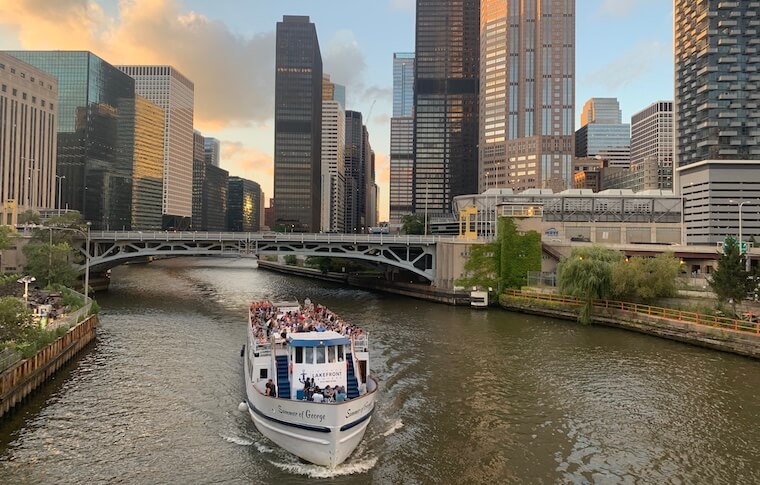
Chicago’s architecture cruises deserve their reputation. You learn the language of setbacks and spandrels while drifting past the Wrigley Building, 333 Wacker, and a dozen styles of modernism. Guides, especially on the more interpretive tours, turn steel and stone into stories. That depth pairs naturally with fireworks because the day-night contrast gives you two distinct moods in one medium.
The most common pairing is a late-afternoon architecture tour followed by a break for food and a fireworks departure after dark. That lets you see facades in warm light, hear a full narration, and still get to the pier or riverwalk with time to spare. Some operators sell back-to-back combos. Others keep them separate but easy to stack by docking in the same area. If you prefer to move less, look for a tour that starts and ends at Navy Pier, then pick a fireworks boat that departs from the same dock family. If you like to walk, a river tour that docks near Michigan Avenue sets you up for dinner on the riverwalk, then a 15 to 25 minute stroll along the lake to the pier.
Pay attention to sunset. In late June sunset lands close to 8:30 pm. A 7 pm architecture cruise that runs 75 to 90 minutes will deliver that glow you see in the photos, with reflections that make glass towers blush. After a short break, you can board a 9 or 9:30 fireworks cruise without rushing. In September, when sunset lands earlier, a 6 pm departure might be better, leaving more cushion before the night show.
A note on tone: an architecture tour will often be talk-forward with a trained docent or seasoned guide. Some fireworks cruises set commentary aside in favor of music and the show itself. If you want the historical through-line to continue into the night, pick an operator that keeps a guide on the mic for the evening run, or choose a hybrid that narrates part of the trip and quiets down during the show.
Timing your evening so it breathes
Tight connections kill joy on the water. Boarding usually begins 15 to 30 minutes before departure. Crowds pool earlier on fireworks nights. If you cut it fine, you will end up jogging down the pier with a bag of fries and your heart rate too high to enjoy the first minutes onboard. Build in slack.
Here is a rhythm that works more often than not. Finish your earlier activity at least 90 minutes before your fireworks boarding time. Eat nearby but not at the most obvious options that sit right on the pier’s main drag. A block or two inland or along the quieter stretches of the riverwalk you find places that seat you faster. Keep the meal paced but not rushed, and aim to arrive at the dock about 25 minutes before it opens for boarding. That gives you time for the security sweep, a restroom stop, and a quick scan of the lake to see what the wind is doing.
On holiday weekends, nudge all of that earlier by 20 to 30 minutes. On a random Wednesday in June, you can probably shave a little time, but not much. The point is to take control of your own stress. The show itself ends so fast that the memories you hold most clearly will be transitions and textures: the cool on your arms as the boat noses into open water, the wake rocking against the seawall, the first crack of a burst above the ferris wheel.
What it feels like onboard
On a good night the boat hums like a small neighborhood. Couples split toward the bow for a clear line of sight. Families fan out to the lower deck where railings sit at kid height. Friends groups take the corners, laughing over music and pointing out buildings by nickname. Those little negotiations about space work because the show is short and the view wraps around the boat. You do not need the forward rail the whole time to feel immersed.
The moment the first shells go up, most of the deck goes quiet. You hear the whuff of launch, the snap as streaks bend into bloom. On the lake the boom drops a beat later, a round thump you feel in your chest. Glass catches the colors behind you and throws them back. If the architecture tour chicago wind shifts and the smoke thickens, you get that soft lens effect, like an old film. When the finale arrives, it layers burst on burst, the water becomes a field of stars, and everyone grins at strangers.
Motion is a variable. On a flat night the gentle roll can lull you. On gusty nights, especially if the captain holds position off the pier, the boat can hobbyhorse a bit. If your stomach has opinions, the river is your friend, and seats midship over the keel are calmer than the extremes of bow or stern. Bring a light layer. Even at 80 degrees on land, the lake can feel 10 to 15 degrees cooler after sunset, and the wind pulls heat fast.
Families, accessibility, and comfort
Chicago operators have gotten better about clarity on accessibility, but details still vary by vessel. Many boats offer ramp boarding and accessible restrooms, though river docks can include slopes that feel steep at high water. If someone in your party uses a mobility aid, call ahead and ask about the specific dock and boat for your departure time. Crews want you aboard and will offer a hand, yet advance information saves everyone stress.
For young kids, ear protection helps. Fireworks are not gentle at close range. Over-ear muffs weigh little and make the difference between a wide-eyed smile and a hard cry on the first volley. Strollers usually need to stay folded once onboard because aisles run narrow when the deck fills. Bring a small blanket if bedtime looms. Kids crash fast after the finale, and a soft spot on a parent’s lap turns the ride back into a pocket of quiet.
Restrooms onboard are serviceable, but lines build just before and after the show. Use facilities on land if you can without risking a missed boarding call. Snacks and drinks vary by operator. Some sell only soft drinks and water, others run full bars. If your night hinges on a specific treat, check rules on outside food and drink before you arrive.
Weather, wind, and waves: calling your shot
Lake Michigan writes its own script. Sun can turn to fog in an hour. A southwest breeze can sit politely over the city while a north wind stacks whitecaps at the harbor mouth. Fireworks generally go forward unless conditions turn unsafe. If you are chasing perfection, you will stress yourself. If you seek a strong experience, you will find one on a range of nights.
Use the forecast like a chef uses salt. A gentle north or west wind keeps smoke tracking away from the pier. Light south winds can push it back over the viewing area, softening definition. Fog makes for moody silhouettes, and some of the most striking reflections I have seen came with a little haze in the air. Rain complicates boarding and visibility but does not always cancel a show. Lightning is a stopper, and captains will hold or abort if safety calls for it.
Seasickness is rare inside the river and harbor, but if you know you are sensitive, come prepared. Non-drowsy remedies taken an hour before departure beat scrambling once onboard. Eat something light, avoid too much sugar or alcohol before you leave the dock, and keep your eyes on the horizon if your head starts to swim.
Booking strategies and price reality
Summer demand is real. Weekends close first, then weekday evenings close in behind them as the season warms. Expect fireworks cruise tickets to run in the range of roughly 30 to 60 dollars per adult for standard sightseeing boats, more for premium experiences with dining. Dinner cruises that time with the show, usually run by larger vessels with indoor salons and multi-course menus, can range from around 100 to over 200 dollars depending on the night and package. Holiday pricing climbs.
Several reputable operators run these routes. Shoreline Sightseeing and Wendella both offer fireworks departures during the core season, typically from Navy Pier and river docks. City Cruises runs larger dinner boats timed to the show. Smaller independents add specialty nights here and there. Schedules shift year to year, so check current calendars and do not rely on an old memory from a past summer. If a view from a specific angle matters to you, study the route map on the booking page or call and confirm whether the boat will head onto the lake, linger on the river, or do both.
Cancellation policies vary by operator and by cause. Weather postponements tied to safety often trigger rebooking credits rather than refunds, though some boats will cancel outright in extreme conditions. If you are only in town for a night, understand the risk profile. chicago riverboat tour If you have flexibility, aim earlier in your trip and keep a backup evening free.
Photography without making enemies
Night fireworks from a moving platform tests a photographer’s discipline. Tripods are usually banned or functionally impossible on a crowded deck. Monopods are hit or miss. You will get the most keepers by embracing the constraints.

Open your lens as wide as it will go, raise your ISO to a level your camera can handle without turning the file to sand, and accept some grain. Shoot bursts as the fireworks climb, not only at full bloom. Brace your body against a rail, not your arms alone. Turn off your flash. It does nothing for the subject and blinds nearby passengers. Step back a half beat from the exact rail edge so you do not bite into someone’s sightline as you lean. And take a few frames inward. The crowd, the boat lights on faces, the city turning to look at itself, those are the frames that stick.
Land alternatives and why the boat still wins
There are many free, high-quality ways to see the show from land. Polk Bros Park at the base of Navy Pier fills but puts you under the action. The north end of Ohio Street Beach gives you water in the foreground and a clean angle back toward the pier. The riverwalk can surprise you with clever reflections if the wind lays the smoke over the water. If you live nearby, those options make sense and you can call a last-minute audible based on weather.
The boat case does not hinge on exclusivity. It hinges on composition and mood. On water the skyline stacks a little differently in your eye. The noise wraps you, and the edge between city and lake blurs. You move with the crowd rather than through it. When the finale ends, you are not walking with thousands of people toward the same pair of exits. You are drifting back to a dock while your brain calms itself, which is an underrated gift.
A quick planner checklist for smooth sailing
- Check the current Navy Pier fireworks calendar, then match a boat schedule to it rather than assuming times.
- Decide on river, lake, or both based on wind forecast, motion sensitivity, and photo goals.
- Book your fireworks cruise first if it is a priority, then fit an architecture tour or dinner around it.
- Arrive at the dock 25 to 30 minutes before boarding, earlier on holidays.
- Bring a light layer and simple ear protection for kids, and verify accessibility specifics for your exact boat and dock.
For residents who think they have seen it all
If you live here, the pier can feel like a tourist track. Take a different tack. Book a Wednesday night in late August when the crowds thin and the air starts to cool. Eat in a neighborhood first, then ride the 124 bus or walk from Grand. Choose a route that stays on the river and watch the city echo the show back at itself. Or pick a small-group dinner boat on a non-holiday Saturday and treat it like a floating supper club. Invite that friend who keeps saying they need to take a break from their screen. Use the boat to redraw places you pass every day.
I have taken guests on fireworks nights after long architecture walks when I worried everyone was tired. The show brought a second wind. They stopped trying to categorize styles and let the skyline be a set of moving parts. The same towers we had studied an hour earlier turned theatrical, and the ride back became the debrief I could never have forced at a table.
Responsible choices on a shared waterfront
Summer in Chicago is a communal project. The riverwalk, the pier, and the lakefront are shared rooms. If you drink onboard, pace it. The return through the locks demands steady footing even on calm nights. Pack out what you pack in so the crew is not stuck chasing cups across the deck. Follow crew instructions around boarding and rail use. If you see someone struggling with a stroller on a ramp, offer a hand. It is easier to keep this whole machine working when everyone acts like a neighbor.
The lake rewards that attitude. On a night with a light chop and a clean sky, boats settle into small clusters around the pier. They hold respectful distances, align their bows, and turn the show into a loose amphitheater. For a quarter hour the city watches itself light up, and the water holds the shapes together. Then the engines kick up, horns salute, and the whole fleet slides back toward the river mouth. You step onto the dock with a head full of color and a plan that came together because you treated timing and place with care.
Putting it all together
The line from idea to evening looks simple. In practice, a good fireworks cruise works because you fit it to the rest of your day with intention. If you love built form and want to get under the skin of the skyline, tuck your cruise behind one of the city’s better chicago architecture boat tours. If your group needs more vibe than lecture, anchor the night with a music-forward run and keep the storytelling to an earlier hour. Use sunset as your hinge, wind as your guide, and arrival times as your safety valve. Do those things and the show becomes the keystone rather than a scramble. Chicago gives you the pieces. The boat ties them together.

Tours & Boats Architecture Tours 900 S Wells St Chicago, IL 60607 ph: (312) 858-6955 https://toursandboats.com