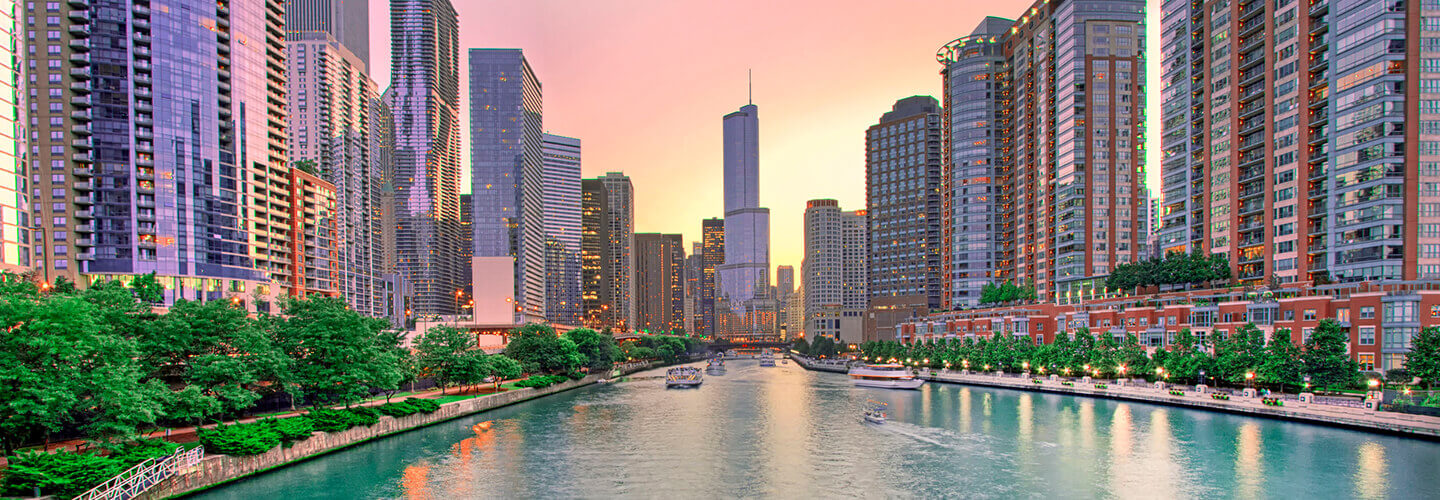
How to Plan a Comfortable Chicago River Boat Ride
A good river cruise in Chicago feels easy. The boat glides, the skyline frames your view, and the guide layers history over steel and glass. The difference between a pleasant float and a great memory usually comes down to small decisions you make before you step aboard. After many rides in every season, with out-of-town guests, solo, and on last-minute sunny afternoons, I have a reliable way to plan for comfort without overthinking it.
Picking the right kind of cruise for your day
The river hosts more than one flavor of cruise. If you want stories behind the skyline, the chicago architecture boat tours are the crowd favorite for a reason. They run about 75 to 90 minutes, trace the main branches of the river, and cover architects, eras, setbacks, and innovations. A solid docent will tie things together so you are not just staring at pretty facades.
Sightseeing rides with lighter narration work well for mixed groups and wiggly kids. Evening cruises dial up the mood while trimming the detail. A twilight spin on the river can feel 10 degrees cooler than the sidewalk, a welcome break on a hot July night. If your group wants a longer outing with blue water and big sky, look for a combined river and lake option that passes through the Chicago Harbor Lock. It adds 15 to 30 minutes, and the gentle rise and fall in the lock is a fun novelty if you have not seen one in action.
There are fireworks on select summer Wednesdays and Saturdays. A river cruise timed to catch the show creates a postcard scene framed by towers. The trade-off is busier boats and thicker evening crowds at the docks.
The comfort math by season
Wind shapes the experience on the river. The canyon effect between towers turns a breeze into a steady push at deck level, and the temperature feels different than it does on sidewalks a block away.
Spring: In April and May the water has not warmed. Air can be 55 to 65, yet it feels closer to 50 once the boat moves. I bring a light jacket and a thin hat, even if the sun is strong. Early spring crowds are moderate, which means more space to move for the best angle on a building.
Summer: June through August can swing from perfect to punishing. Midday sun reflects from glass, and the deck can feel like a skillet. Heat advisories are not uncommon. Late morning and late afternoon rides give you light with less glare and more forgiving temperatures. For families, a 10 a.m. Tour beats a noon furnace.
Fall: September and October are my favorite months. Clear air, long shadows, and calmer queues. A sweater or windbreaker will do most days. Light fades faster in October, so an afternoon slot helps.
Winter: Tours keep running on many days as boat rides in chicago long as the river is navigable. The narration feels more intimate with fewer passengers. You will want heavy layers, gloves, and a scarf that seals your neck. Sit near the cabin door so you can duck inside for warmth then pop back out for photos.
Timing and light
Architecture reveals its shape with light. The same facade looks different at 9 a.m., 1 p.m., and 6 p.m. If you care about photos, aim for earlier or later slots. Low-angle light brings out texture and depth. Midday blazes away shadows and can flatten contrast. On overcast days, the sky becomes a giant softbox. Reflections calm down, and windows stop flaring. I have taken some of my favorite shots under a gray dome in October.
Weekdays are kinder to comfort. Saturday at 2 p.m. In July feels like a parade, from the dock to the Riverwalk. If you need a weekend, consider the first cruise of the morning or the last one before dusk. You will spend less time in line and have a better chance at your preferred seat.
Where to sit and why it matters
Outdoor seats on the top deck are the prize on most boats. They offer 360-degree views and unimpeded shots overhead when the bridges arch across. The price you pay is exposure. Sun, wind, and occasional mist find you first. If you run cold, a lower deck seat near a window with the option to slip outside is a smart compromise.
Side choice can help but is never fate. On the main branch heading west from the lake, the south side of the boat sometimes lines up with better angles on the Wrigley Building, Tribune Tower, and Marina City as you approach them. On the north branch, the north side catches the light on the newer glass towers upriver. Guides often pivot the boat or slow to show both sides, so you will not miss hallmark buildings from the “wrong” seat. The first two rows claim the infinity of the bow view but lack shade and protection from wind. The last row has extra legroom on many boats and a quick path to stand at the stern for wide shots.
If you bring kids, avoid seats right next to stairwells so they are not tempted to dart up and down mid-ride. For bulky camera gear, end seats simplify sliding to the rail when the view clears.
How to book smart without turning it into a project
Chicago has several reputable operators with similar routes and durations. The difference you feel as a passenger tends to lie in narration quality, seating layout, and how crowded a given departure gets. Paying a little attention to time, ticket release windows, and boarding order pays dividends.
A simple plan that works for most visitors:
- Check forecasts 48 hours out, then pick two target times on your preferred day, one earlier and one later, to hedge against weather shifts.
- Book online 24 to 72 hours in advance for popular summer weekends, or same day for shoulder seasons. Pick a refundable or flexible ticket if your plans are loose.
- Aim to arrive at the dock 30 minutes before departure. That cushion covers security checks, restroom stops, and a relaxed walk to a good seat.
- If shade matters, choose a boat with partial canopy on the upper deck. Photos on operator websites usually show the layout.
- Keep the confirmation handy on your phone and bring a photo ID if the ticket notes it.
Most architecture-focused departures last around 75 minutes. Combined river and lake trips can run to 90 minutes or slightly more when the lock is busy. Lines move quickly, but boarding order determines seat choice. If comfort trumps every other variable for your group, spring for priority boarding when offered. The extra ten dollars per person can transform the experience on peak days.
What to bring and what to leave behind
On the river you do not need much, but a few items turn an okay ride into an easy one. Be mindful that bag checks vary by operator and event days can tighten rules. In general, avoid large backpacks and stick to a small day bag.
A short, field-tested packing list:
- Lightweight layer, sunglasses, and a hat with a brim that will not fly off. The breeze on open water turns loose caps into props for seagulls.
- Sunscreen and lip balm. Light reflects from water and glass. Even on cloudy days I have burned in under an hour.
- Refillable water bottle with a secure lid. Many boats sell drinks, but hydration without a line is nice.
- Motion relief if you are sensitive. The river is calm, but the lock and wakes add motion that unsettles some passengers.
- A phone or camera with a wrist strap and a microfiber cloth. Spray and fingerprints accumulate fast.
Large tripods and professional lighting rigs can be restricted. If you shoot seriously, a compact mirrorless camera with a midrange zoom does almost everything you want on a river tour. Bring a circular polarizer only if you know how to dial it back, since it can produce uneven skies with lots of glass reflections.
Food, drink, and restrooms
Most Chicago river boats have a bar for soft drinks and simple snacks. Some sell beer and wine. Open container rules apply on land, not on the boat, so you cannot board with outside alcohol. Water bottles and small snacks are generally fine, though individual policies differ. For a hot day, I prefer to buy a cold drink on board rather than carry ice water that sweats and drips in my bag.
Restrooms are available on most vessels. Use them before departure if you can. River routes pass drawbridges and lock schedules, and when things stack up the boat cannot always hold position easily for turbulence-free movement. I prefer to visit the restroom right at boarding, then settle in.
If you want a sit-down meal before or after, the Riverwalk has options at different price points, from casual stands to full-service patios. Build in buffer time. Weekend tables fill fast, and you do not want to be the party sprinting from a late check to a last-call boarding.
Accessibility, comfort, and mobility
Many boats and docks in Chicago are wheelchair accessible, but access points and gangways vary with river levels. Confirm details with your chosen operator rather than assume, especially if your party uses scooters or power chairs. Low-rise thresholds and steep temporary ramps can appear during high-water periods after rain.
Hearing assistance devices are sometimes available on architecture-focused tours. Ask in advance so you are not sorting it out at the dock. If your group includes someone who reads lips, upper deck seating within clear line of sight to the guide helps. For those with sensory sensitivities, earlier cruises tend to be quieter, and lower deck seating buffers the wind and noise.
If standing for long stretches is a concern, avoid bow seats where people often rise en masse to take photos. A mid-deck seat against the aisle gives you stability when other passengers shift.
Staying comfortable with weather and wind
It is not the air temperature that surprises people, it is the combination of shade, wind, and water-cooled air. I have watched guests board in tank tops on an 82-degree day, then shiver two bridges later in the shade of a high-rise. A thin layer solves it. If you forget yours, some operators sell branded blankets during shoulder seasons.
Umbrellas work poorly on boats. The wind turns them inside out, and they block sightlines for neighbors. A hooded jacket or a compact poncho beats an umbrella in any case. If scattered showers loom, pick a later departure block and watch the radar. Storms along the lakefront can move through in 20 minutes, and tour companies pause departures for lightning.
A brief primer on what you will see
Even if you book for comfort first, the river still tells a story. On the main branch, the early 20th-century mix of stone-clad towers and ornate crowns near Michigan Avenue sets the stage. As the boat heads west beneath the low girder bridges, you feel how the city grew in layers. Marina City’s corncob balconies appear like a sculpture in habitable form. Mid-century modern glass and steel buildings frame the water with disciplined lines. Near Wolf Point, where the three branches meet, recent decades of glass towers bend and flare in ways that catch sky and river in equal measure.
On the north and south branches, you see the industrial past giving way to residential and corporate campuses. Old brick warehouses now hold offices and studios. The south branch often includes a look at the Willis Tower rising apart from the water in clean view. The best chicago architecture boat tours turn these sights into a coherent arc without drowning you in dates. If your guide invites questions, take them up on it. The back-and-forth often opens extra threads, such as how post-fire building codes shaped setbacks, or why so many movable bridges line the river.
Photos without fuss
Great river photos come from timing and angles more than gear. Watch your horizon line, which tilts easily when the boat swings. Frame wider than you think you need, then crop later to square up verticals. If your phone has a wide lens, use it sparingly. Ultra-wide shots bend the edges of buildings, which looks dramatic but can feel gimmicky after the third one.
Reflections sell the city. Look for them on the calm surface near the banks or on mirrored facades when the sun is at your back. When the boat passes under a bridge, flip to video and point straight up. Rivets, beams, and the sun flashing through gaps turn into a short clip that people love.
Be considerate with elbows and posture. Everyone aboard is trying to make a memory. A quick “mind if I step forward for a second” goes a long way. If you want a clean shot of the bow slicing the river, stand at the stern on the return leg. Fewer people drift back there, and you can capture the wake with the skyline layered behind.
Families, groups, and special cases
Bringing young kids changes the comfort equation. Shorter rides with flexible narration play better than deep-dive tours. Pack a snack that does not crumble, and choose seats with easy aisle access. A small fidget toy keeps hands busy during slower stretches of narration. If you have a stroller, ask about storage on the dock. Operators often prefer to keep strollers off crowded decks.
For seniors or anyone who finds stairs taxing, confirm whether the boat has level boarding and whether the upper deck is accessible by ramp. If it is not, a window seat on the lower deck still delivers strong views, especially on the wide turns. Ask for seating help at boarding. Staff are used to situational needs and usually happy to steer you to a good spot.
Large groups should build extra time for ticket checks and restroom stops. If your party prefers to sit together, plan to board at the front of the line and designate a couple of seat savers who can move quickly to claim a block. If you split, agree on a meet-up point on the same deck. Boats get loud enough that text messages sometimes lag or get missed in the shuffle.
Safety without anxiety
River tours in Chicago run under strict rules. You will get a brief safety talk. Listen for the location of life jackets and note the path to the nearest exit. Keep hands off railings during bridge passes. Clearance looks roomy, yet soot and grease can stain sleeves if you lean out. If you have kids, set a simple rule that they must ask before moving to the rail. The novelty of a low bridge and water close at hand is strong, and chicago boat ride clear boundaries keep things smooth.
Alcohol and heat can combine to make people woozy. On a hot day, alternate water with any drink you buy at the bar. If someone feels lightheaded, move to a shaded spot on the lower deck and sit. Crew are used to helping and prefer early heads-up to someone fainting on stairs.
A few operator differences that matter in practice
You will see familiar names on the docks. Some tours partner with architecture organizations that train docents deeply, which you feel in the nuance of the narration. Others lean more into a lively, entertainment-forward style. Both can be good, and preference is personal. I point first-time architecture fans to a docent-led option for their first ride, then suggest trying a different operator on a later visit for contrast.
Boat design varies. Some vessels have unobstructed top decks with rows all facing forward. Others include benches that run along the sides, which changes how you turn for views. Look at photos of seating layout before you buy. If you need back support, skip stools and choose chairs with backs. Shade structures differ, and some boats keep a partial canopy up all season. That matters for comfort on bright days.
Audio systems range from excellent to passable. Sit within easy sight of a speaker if you have any trouble hearing in crowds. If the narration sounds muddy at boarding, ask a crew member. They will often tweak levels before departure.
The boarding dance and getting the seat you want
Lines form as soon as the prior cruise departs. I treat the dock as part of the experience rather than dead time. Arrive with your layer already on, phone stowed, and ticket pulled up. When boarding starts, move with purpose and pick a side rather than stopping in the aisle to debate. It is easier to trade seats once you have claimed a block.
If the guide invites people to spread out, resist the instinct to hug the boat’s centerline. The near-rail seats are stable and give better sightlines past other passengers’ heads. Once underway, keep your personal footprint small, especially in the first two rows, so others can step up and snap a quick shot without climbing over you.
How much it costs and what value looks like
Ticket prices for river tours vary by operator, time of day, and season. For a standard 75 to 90 minute architecture cruise, expect a typical range that starts around 35 to 50 dollars per adult on slower days, rising to 55 to 80 dollars at peak times. Evening and fireworks departures often cost more. Combined river and lake tours are usually priced slightly higher than river-only, reflecting the added time and lock passage.
Decide what you value most. If seat choice and comfort are top priorities on a busy weekend, paying for priority boarding and choosing a boat with partial shade might be worth more than saving ten dollars. If you are a repeat visitor who wants a different sunset architecture tour chicago perspective, a smaller boat with open seating can feel better even without the fancy sound system.
A quick path for last-minute planners
Sometimes the sun pops out over the lake and refuses to be ignored. You find yourself at the Riverwalk with an open hour and the urge to be on the water. Here is a minimal approach that still protects your comfort:
- Check the next three departure times across two operators on your phone, then walk to the dock with the earliest open seats that includes a top deck.
- If the queue looks long, ask about standby or priority boarding. If you get a heavy shrug, pivot to the other operator rather than wait in frustration.
- Buy a cold drink after boarding, not before. Keep your hands free while you claim a seat and stash your bag.
- Scout for the side with open shade or a clear shot forward. If the sun is high and brutal, trade the first row for the second. The small setback improves shade angles.
- Ask the crew which bridges are under rehab. Fresh paint and scaffolding can change ideal spots for photos on a given week.
After the ride
Leave yourself five to ten minutes at the end to watch the boat clear and the next group load. The choreography of lines, dockhands, and bridge traffic is a kind of urban ballet. If you shot a lot of photos, cull a few while the memory is sharp, then put the phone away and walk the Riverwalk a bit. You will recognize facades you just learned about, and the story you heard aboard clicks into place as you see them from land.
If you want a second pass, consider a dusk ride on the same day. The same silhouettes you met in daylight take on a new personality when lights blink on. Repeat rides never feel redundant. Weather, light, and the river’s mood shift hour by hour.
The small habits that add up
Comfort is not about carrying more gear or spending the most. It is about paying attention to wind, light, and how boats flow. Wear one more layer than you think you need. Arrive a bit early. Sit where you can move without squeezing your neighbor. Hydrate. Ask the guide a question. Those details do not sound glamorous, but they turn a good idea into an easy pleasure.
A Chicago river boat ride rewards care without fuss. The skyline does its part. With a modest plan and a few informed choices, you can make the ride feel calm, grounded, and memorable, whether you are here for a first look at the city or showing it off to someone you love.
Tours & Boats Architecture Tours 900 S Wells St Chicago, IL 60607 ph: (312) 858-6955 https://toursandboats.com