Why a Chicago Architecture Boat Tour Is a Relaxing Way to Sightsee
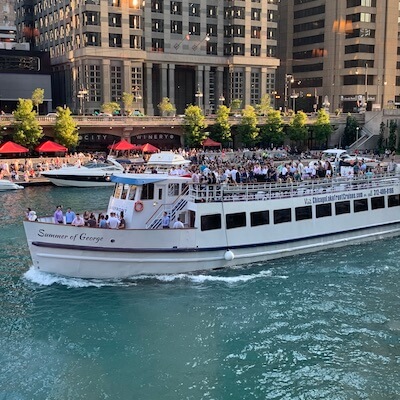
Spend ten minutes on the Chicago River and you understand the city differently. Buildings that feel aloof from the sidewalk suddenly loom at eye level. Their setbacks, buttresses, and cantilevers reveal intent. The river does not just cut through downtown, it acts like a slow conveyor belt through a century of architectural bets. For a visitor short on time or a local who has passed these towers a thousand times without looking up, the water is a forgiving classroom and a quiet front row. That is why a boat tour is not only informative, it is one of the most relaxing ways to see Chicago.
I first took a river tour on a gray April afternoon when the water held the last chill of winter. Within minutes, the wind eased, the narration found a rhythm, and the boat tucked under its first steel truss bridge. A woman a few rows back, clearly skeptical about a seventy-five minute lecture on floor plates and curtain walls, leaned into the rail as the green glass of 333 Wacker curved into view. She pointed, said nothing, and smiled. That is how this goes. The stress of planning shrinks. The city opens.
What the River Shows That Streets Miss
Walking Michigan Avenue absorbs your attention the way a bright shop window does. From the river, the frame widens. You see how eras meet at right angles. Art Deco shoulders up against International Style, and Postmodern flourishes wink from a cornice line.
The Merchandise Mart, once the largest building in the world by floor area, drags the eye for a full minute as the boat glides past its two-block bulk. A docent might mention how its Art Deco details survive, softened by decades of wind and soot, and how it needed a new purpose once warehouses left the river. You notice the way its long facade turns the river into a plaza. Step back on land and it is easy to miss this urban effect.
Aqua, with its rippling concrete balconies, makes the case for human texture on a glass skyline. Marina City’s corn cobs hover over the river, still startling sixty years later, their parking spirals like a child’s toy frozen mid spin. The St. Regis Chicago, all pale blues and stacked volumes, angles to catch both river and lake light. These are not one-off views. The river strings them together. As soon as one passes, the next aligns.
From the water, you also see the practical spine that supports these towers. The bridges, most of them trunnion bascules, pivot up like elbows to let taller vessels through. Chicago has more moveable bridges than any city in the world, and downtown you pass under a dense run of them. Brass nameplates, rivets, and operator houses hunker over the river like watchful machines. The cadence of bridges marks time on a boat tour, a metronome between stories.
Why the Pace Matters
The boat sets the tempo. It idles, turns, pauses so a barge clears a bend. When a docent’s script hits a name heavy stretch, the captain slows to a crawl so the boat’s bow points neatly at a facade. This gentle stop and go is part of why people unwind on these tours.
Sightseeing on foot can feel like a to-do list. On the water, you surrender the route and the schedule. There are just enough tasks to keep your hands busy, like holding a camera steady when another river taxi cuts a small wake, but not enough to create anxiety. Even the city’s noise softens. Train clatter becomes a brief punctuation when you pass under Wells Street. Traffic above is a murmur. The motor’s low thrum becomes a steady baseline, not a distraction.
Travelers who do not love crowds find the space a relief. You can stand at the rail on the stern and let conversations drift by. If you prefer to sit, most boats offer stadium style seating on the top deck, which means you do not spend the ride peering around taller heads. If you care more about the breeze than the trivia, you can drift to the bow and trade narration for wind and skyline.
A Brief Map of the Water
Most chicago architecture boat tours trace a similar path through the Main Branch from the lake lock west to Wolf Point, where the river splits to North and South. Depending on water traffic and time, some boats poke up the North Branch toward Goose Island or head a bit down the South Branch toward the old rail yards and new office towers. These branches tell different stories. The North shows the churn of industrial land turning into parks and tech campuses. The South, especially near the old post office, shows how oversize infrastructure can find a second life.
A few tours include a lock crossing into Lake Michigan. The lock manages the two to three foot difference between lake and river. That short elevator ride in a boat feels like a field trip inside the city’s plumbing. Once on the lake, the skyline pulls back into a single frame. You trade the detail of spandrels and setbacks for a chorus line of towers against open water. If the wind is up, the lake segment can feel choppier and cooler, but the perspective pays off.
Who Runs These Tours and What You Get
Several operators run daily trips from spring through late fall, with a shorter schedule in winter if ice does not close the river. The Chicago Architecture Center partners with Chicago’s First Lady for a widely respected river cruise known for deep narration that focuses on design and urban context. Tickets generally cost in the range of 50 to 60 dollars for adults in peak season, less for children, and the trip lasts about 90 minutes. Shoreline Sightseeing and Wendella offer strong alternatives, often with a mix of architecture focused narration and shorter, family friendly rides that run about 75 minutes. Prices float in the 40 to 55 dollar range depending on day and time. Many boats have open top decks, partial canopies, and indoor cabins on the lower deck with large windows. Most have restrooms and a small bar. The general advice is to buy in advance for weekend afternoons and holidays, when tours often sell out by mid morning.
Quality of narration matters more than you might expect. A docented tour that can explain, in plain English, why the IBM Building under Mies van der Rohe mattered in its day, then jump to how Jeanne Gang’s work rewrites the way balconies shape airflow, does more than deliver facts. It gives you a grip on the city’s identity. That depth is part of why some people take the tour twice, in different light or with different operators, to hear new angles.
When to Go for the Most Peaceful Ride
Morning rides, especially the first departures between 9 and 10:30, tend to be the quietest. The river is calmer, traffic light, and the sun comes in low from the east, gilding the Wrigley Building and Tribune Tower and keeping faces shaded if you sit on the south side of the boat while heading west. Midday in summer is busier and hotter, but a steady river breeze moderates it by a few degrees compared to the street.
Golden hour and twilight give you drama, especially if your tour hits the turn at 333 Wacker just as the curved green glass mirrors the warm sky. Evening rides after sunset trade detail for mood. Bridges are lit, and the skyline becomes a string of rectangles. If you love photography, a pair of tours at different times of day produce a better set of images than a single ride at noon.
Season matters. April and early May bring cold edges to the breeze, but they also bring less crowding and a clear view through branches along the Riverwalk. June through August is prime season with long schedules and frequent departures, though you will share the river with kayaks, party boats, and weekend flotillas. September and early October are sweet for calmer water and sun that sits a little lower, with fall colors sneaking into the frame along the banks.
Comfort, Clothing, and Small Practicalities
Dress like you will sit still in a breeze. The river runs cooler than the sidewalk, especially near the lake. A light jacket or sweater solves most comfort issues on all but the hottest days. Sunscreen matters even on overcast days because water bounces light up under the brim of caps and hats. If your eyes are sensitive, bring sunglasses with polarized lenses to cut glare off glass and water.
Most large boats have restrooms. Bars serve water, soft drinks, beer, and simple cocktails. Some allow coffee in the morning. You can carry a small bag under your seat. Strollers are usually folded and stored in a designated corner. Wheelchair access varies by dock and vessel, but many of the larger operators maintain ADA compliant ramps and accessible restrooms on at least one deck. If accessibility is key, call ahead and confirm your specific departure’s setup rather than assuming all departures are the same.
People prone to motion sickness do fine on the river. The water is protected and wakes are small. If your tour includes the lake, check wind conditions. A steady onshore breeze at 15 knots or more can turn the lake segment bouncy. If that worries you, choose a river only departure.
If you plan to take photos, remember that rail space fills first. Board early if you want the bow. When the boat turns at Wolf Point, the best shots fan out to both sides as three branches converge, so do not glue yourself to a single spot. A short lens captures the scale better than a long one on the river, and a phone camera does fine as long as you keep your horizon level. Wipe spray from your lens after passing close to another boat.
What Makes It Relaxing for Different Travelers
Parents appreciate the built in arc of the tour. There are just enough bridges to count and just enough turns to reset attention every few minutes. Kids spot the kayakers and wave. They look at the underside of bridges and hear trains rumble overhead. The ride offers novelty without asking for much patience. You can snack, sit, and learn something without turning it into a lecture. The gentle pace helps avoid meltdowns.
Older travelers who do not want to log miles on foot get the most architecture for the least physical effort. Seating is plentiful. Stairs between decks are optional if you board early and choose a level you like. Sound systems on most boats are clear enough to catch narration without strain. For those who prefer to keep moving, the top deck has enough standing room to stretch and step side to side for different angles.
Locals enjoy the shift from task to observation. Many architectural cruise chicago of us who live here spend our days passing under the shadows of towers we do not name, and the tour reminds us that the skyline is not just scenery. It is a record of choices. You leave with new favorites, maybe a grudging respect for a building you used to ignore, or a new gripe about a clumsy addition. That mental conversation turns an ordinary errand into a small architectural scavenger hunt later in the week.
A Few Myths Worth Clearing Up
People often assume you need perfect weather. In practice, the tours run in light rain with covered decks available, and the city looks good under clouds. Big contrasts soften, reflections come up, and glass towers put on subtler faces. If lightning enters the area, operators pause departures. Summer afternoons often bring short showers. If your schedule allows, keep an eye on the radar and slide to a morning or evening slot to dodge the brief pop ups.
Another worry is noise from other boats and the Riverwalk. Weekends can get lively, but narration systems are designed for it, with speakers running the length of the deck and docents trained to pause while a loud train crosses. The river has its own etiquette. Captains give each other space at pinch points, and the rhythm of the tour allows for small improvisations so you are not jammed in a boat caravan for long.
Finally, there is a belief that you need to already care about architecture to enjoy the ride. Good tours take care of that for you. They tell stories about people and money as much as steel and glass. You hear about how a developer bet wrong on a market cycle and how a city policy bent a design in a good way. You learn that setbacks were not just pretty choices but wind management on a practical level. The built world becomes legible in a way that sticks the next time you look up at any skyline.
River vs. Lake, and How to Choose
A river only tour favors detail and history. You pass within feet of stonework, watch reflections wobble in the corrugations of a glass facade, and chart the city’s growth lot by lot. If you like hearing how a particular truss solved a load path or how an old warehouse became a tech hub, the river is your classroom.
A river and lake combo trades some detail for the drama of the skyline in one plane. It adds the experience of the lock, which is brief but memorable. Photographers love the lake for its clean horizon and the way the skyline compresses into layers. The tradeoff is exposure to wind and a slightly bumpier ride. On a cool day, the lake can feel ten degrees colder than the Loop.
Night tours concentrate on atmosphere. Reflections layer across the water. You cannot read a plaque at 200 feet, but you can feel the city breathe. Some operators switch to a lighter narration in the evening and let the view do the work.
What You Actually Hear and Learn
Docents on the best tours do not read from a sheet. They carry binders, but they talk with the city, not at it. You might hear about how the 1909 Plan of Chicago imagined a river that served both industry and beauty, and how the modern Riverwalk realizes pieces of that old dream. They point out how 150 North Riverside stands on a narrow base because rail lines hemmed in its footprint, a feat made possible by tuned mass dampers and careful structural engineering. They nod to Bertrand Goldberg’s stubborn streak and how Marina City made living downtown desirable again at a time when that sounded foolish.
They will also poke fun, gently, at missteps. Not every glass curtain wall aged well. Not every plaza welcomes feet. Sometimes a grand lobby meets the water with its back instead of open arms. And then, two bends later, a simple set of steps drops from sidewalk to river and feels exactly right. These small judgments humanize the skyline. You will find yourself making them too.
The Riverwalk Connection
Before or after your ride, the Riverwalk gives you a way to stretch the experience without turning it into a march. You can start near Lake Shore Drive, walk west past floating gardens, kayak rentals, and public art, and catch your boat at a mid river dock. After the tour, you might linger for a coffee or a beer at one of the small bars tucked into the arcades beneath Wacker Drive. Watching the next tour ease by while you stand on solid ground completes the loop, like watching a movie and then seeing the set.
Portions of the Riverwalk opened in phases through the 2010s, knitting together disconnected bits of path. The result is not just pretty. It changes access. Office workers eat lunch by the water. Families push strollers along stretches that used to be service alleys. Runners and commuters flow around them. The river becomes an everyday place, not only a tourist ribbon.
A Short Checklist That Keeps the Day Easy
- A light layer and sunglasses, even in summer
- Water or a plan to buy some on board
- A charged phone or camera with a wrist strap
- Tickets purchased ahead for weekend slots
- Ten extra minutes for boarding and choice seats
Costs, Timing, and How to Book Without Stress
For most travelers, the price to experience the river’s narrative sits comfortably between a museum ticket and a ballgame seat. Expect to pay in the 40 to 60 dollar range per adult in peak season, with discounts for children and seniors. Dynamic pricing by time and day is now common. Midweek mornings skew lower, and last minute seats on hot Saturdays can climb. If your budget is tight, shoulder season in May or late September brings the same skyline with fewer dollars attached.
Booking online the day before covers most cases. For holiday weekends and festival days along the lakefront, reserve two to three days ahead. Show up fifteen to twenty minutes early, not because boarding is chaotic, but because the pre ride calm is part of architectural river cruise chicago the pleasure. You can pick a seat in sun or shade, settle your bag, and let the city idle by while the dock crew checks lines.
If plans shift, most operators allow rebooking with some notice. Watch cancellation windows and weather policies. A drizzle is not a reason to scrub a trip, but lightning is. Flexible schedules mean you can slide to the next departure.
Tradeoffs Compared to Other Ways to See the City
A boat tour will not take you inside a lobby or up to an observation deck. It will not give you the sense of brick under your palm or the exact feel of a plaza underfoot. A walking tour delivers those textures, along with close engagement and the chance to linger at a single site. An open top bus gives you more neighborhoods but at a faster, noisier clip. A boat splits the difference. You get breadth with enough depth to care and a pace that encourages you to breathe.
If you have a full day, consider pairing a morning river tour with an afternoon visit to an observation deck at Willis Tower or 875 North Michigan Avenue. The aerial view locks in the ground lesson. If time is tight, the river alone carries the story well enough that you will not feel shortchanged.
Small Moments That Stick
The best part of these tours is how the unscripted details land. A heron stands on a timber while a commuter train rattles overhead. A bridge tender gives a wave as the boat slides under his post, half museum piece, half working office. The guide calls out how the curve of a building mirrors the river, and you watch sunlight flicker from glass to water and back to glass as if the architect and the river had agreed on a private joke.
I river cruise chicago have watched people lean away from their phones and just look. That shift, from cataloging to seeing, is part of the relaxation. It is rare to be moved through a city in a way that does not require quick decisions. On the river, the choices are simple. Sit here or there. Listen or daydream. Learn a fact or let the skyline wash over you. You cannot do it wrong.
If You Remember One Tip
Give yourself the right conditions to be unhurried. That might mean the first departure of the day with a coffee in hand. It might mean a twilight ride after dinner while the river lights come on. The rest of the details take care of themselves. Chicago has built a stage set along its river that rewards patience and curiosity, and the boats are the best seats in the house. Whether you are a visitor scanning the skyline for the first time or a resident who thinks you know every corner of the Loop, chicago architecture boat tours invite you to settle in, listen well, and let the city glide past at the only speed that makes sense on water.
Tours & Boats Architecture Tours 900 S Wells St Chicago, IL 60607 ph: (312) 858-6955 https://toursandboats.com