
Can Neck Problems Cause Headaches? The Posture Connection
If you have a headache that starts at the base of your skull, creeps around one eye, or sits like a band around your temples after a long day at your desk, your neck might be part of the story. Neck joints, muscles, and nerves share close wiring with the pain pathways that drive headaches. When the neck gets cranky, the head often follows.
I see this play out in three familiar settings. First, the desk marathon where the head slowly drifts forward while the shoulders round and the chin reaches toward the screen. Second, the weekend phone scroll that leaves your neck pinned in a flexed position for an hour before bed. Third, the low speed car crash that felt minor at the time, but days later the neck locks up and headaches start to pop up after lunch, before finally showing up first thing in the morning. The good news, most posture and neck related headaches respond well to simple changes, skilled hands, and consistent home care.

How the neck talks to your head
Headache is a broad term. Tension type headaches feel dull and pressing. Migraines often throb and may bring light sensitivity or nausea. Cervicogenic headaches are head pain referred from the neck, often on one side, and they can mimic migraine or tension patterns.
Three main neck driven mechanisms show up in clinic:
- Overworked muscles in the upper trapezius, levator scapulae, and suboccipitals can create trigger points that refer pain to the head, especially behind the eye, over the temple, or at the crown. Spend an hour with your head poked forward and those tiny muscles at the base of your skull earn every penny.
- Irritated joints in the upper cervical spine, especially C2 to C3, can refer pain to the back of the head and around one side. This often shows as a headache that flares when you turn your head to check a blind spot or look up to a top shelf.
- Sensitized nerves in the neck, including branches of the occipital nerves, can amplify head pain. After a rear end collision, that sensitization may spike for a while as the tissues heal and the nervous system recalibrates.
Anatomy links the neck and head more than most realize. The trigeminocervical nucleus in the upper spinal cord blends sensory input from the face and the upper neck. If those neck inputs get noisy, your brain can misinterpret the signal as a head problem. That is why working on the neck often improves headaches, even when the ache feels like it lives behind your eye.
The posture connection, clearly and practically
Posture is not about standing like a statue. It is about load management over time. Your head weighs roughly 10 to 12 pounds. For every inch the head glides forward, the effective load on your neck muscles increases substantially. Hold that for sixty minutes while concentrating on a spreadsheet and the tissues complain later.
Two habits create the most trouble. First, static sitting with the head forward and shoulders elevated, which shortens the base of the skull muscles and keeps the mid back locked. Second, long bouts of neck flexion while reading or using a phone, which places the discs and ligaments under sustained tension.
I once watched a developer in Jacksonville move from two monitors on the side to one front and center with the top third of the screen at eye level. He added a simple footrest under his desk and started taking a 45 second movement break every 30 minutes. His afternoon headaches faded within two weeks, not because he found the perfect chair, but because he stopped asking the same tissue to do the same thing without relief.
After a car accident, why headaches often show up late
A rear end collision does not need to be dramatic to cause neck and head symptoms. Whiplash is a rapid back and forth movement that can strain muscles, sprain facet joints, and irritate nerves. Many people feel fine at the scene, then notice a stiff neck and headache one to three days later. That delay is common. Inflammation peaks after the first 24 to 72 hours, and protective muscle guarding can ramp up overnight.
Delayed whiplash symptoms can include neck stiffness, headaches that start at the base of the skull, shoulder blade pain, lightheadedness when turning quickly, and difficulty getting comfortable to sleep. If you get new neurological symptoms like shooting pain down the arm, significant numbness or weakness, severe dizziness, or a thunderclap headache unlike anything you have felt, skip the chiropractor and go straight to urgent care or the ER.
People often ask how long whiplash lasts after a car accident. Many cases ease in 2 to 8 weeks with the right care and home program. A meaningful minority, especially those with previous neck issues, high stress, or very sedentary work, may have symptoms for several months. That is not a failure. It is a signal to personalize the plan, address sleep and stress, and build tolerance gradually.
Florida specifics that matter if you live in Jacksonville
In Florida, Personal Injury Protection, or PIP, usually provides up to $10,000 in medical benefits after a car crash. There are details to know:
- You must seek initial care within 14 days of the accident to use PIP. This is the 14 day rule for car accidents in Florida. Initial care can be at urgent care, your primary care office, an ER, or a chiropractor.
- To access the full $10,000, there must be a determination of an Emergency Medical Condition. Under current rules, that determination cannot be made by a chiropractor. It typically must come from a physician, physician assistant, nurse practitioner, or dentist. Without it, PIP benefits may be limited to $2,500.
- You do not need a referral to see a chiropractor after a car accident in Florida, but coordinating with a medical provider who can make an EMC determination can help if your injuries are more than mild.
- PIP can be used for chiropractic care in Jacksonville, FL when the timing and documentation are in order. Car insurance may pay for chiropractic treatment through PIP, subject to policy limits and copays.
If you miss the 14 day PIP deadline in Florida, you may lose access to those no fault benefits even if you still have pain. That is one reason I tell patients who ask when should I see a chiropractor after a car accident in Jacksonville FL to consider an initial check within the first week, even if symptoms look minor. Minor can turn into nagging, and documentation matters for both your health and your benefits.
When to choose urgent care, when to call the chiropractor
After a crash, start with urgent care or the ER if you have red flags, like severe headache at onset, neck pain with neurological symptoms, confusion, loss of consciousness, or high speed trauma. If your symptoms are mild to moderate, with neck stiffness, headaches that start at the base of the skull, and sore shoulders, a chiropractor who sees auto injuries regularly can help assess, treat, and guide you on next steps. Many clinics in Jacksonville work with imaging centers and medical providers so you are not stuck deciding alone.
Outside of accidents, a chiropractor or physical therapist best chiropractor near me Jacksonville, FL is a sensible first stop for neck pain and posture related headaches. If your headache pattern changed suddenly, if you are over 50 with a new type of headache, if you have fever or weight loss with your pain, or if you have a history of cancer, loop in your primary care physician early.
How chiropractors evaluate headache and neck problems
A good first visit is part detective work, part movement exam. Expect a conversation about where the headache starts, what triggers it, what eases it, and whether sound, light, or stress play a role. Many headaches have mixed drivers, so a careful history matters as much as the treatment.
On the exam table, we check neck range of motion, joint glide, muscle tone, and specific work injury chiropractor Jacksonville, FL tests that load the facet joints or stretch the nerves to see what reproduces your familiar ache. If the pattern suggests cervicogenic headache, the neck joints just below the skull often feel stiff and tender. If tension type headache dominates, the upper trapezius and suboccipitals feel ropy, and gentle pressure can recreate the pain referral to the temple or behind the eye.
Imaging is not routine for most posture related neck pain and headaches. X rays or an MRI may be recommended if there is trauma with worrying signs, suspected disc herniation with nerve involvement, or red flags from your history.
What treatment looks like, and how it feels
People worry that chiropractic care hurts. A well delivered adjustment should not. You may feel pressure, a stretch, and sometimes a small pop as gas releases from the joint. That pop is not your bones cracking, it is a pressure change. Many patients describe a sense of lightness after gentle work at the upper neck, especially when those suboccipital muscles finally let go.
Care often includes several of these tools, tailored to your comfort and goals:
- Joint adjustments or mobilizations to restore motion in the stiff segments that drive referral. Upper cervical and mid thoracic segments are common culprits.
- Soft tissue work, including trigger point therapy for the upper trapezius, levator scapulae, and suboccipitals. Some clinics add instrument assisted work or dry needling if appropriate and you consent.
- Nerve and muscle glides, short holds that reduce sensitivity without aggressive stretching.
- Posture coaching and ergonomic tweaks you can apply that day.
- A short home program that fits your life, not a 30 minute routine you will abandon by Friday.
How many visits do you need? For posture linked headaches without significant trauma, a focused plan might be 4 to 8 visits over 3 to 6 weeks, with a clear expectation that you should see some improvement in the first two weeks. After a car accident, early care may be a bit more frequent the first two weeks while pain and guarding peak, then spread out as you gain control.
Realistic expectations and the long game
The neck and head system likes consistency more than heroics. I would rather you do two minutes of targeted work, three times a day, than one long session on Sunday. The best treatment in clinic cannot overcome eight hours with your chin parked two inches in front of your chest, day after day. The goal is not perfect posture. It is change, variety, and tissue tolerance.
Here is a simple five point playbook I give desk workers who struggle with neck pain and headaches. It fits into normal workdays and makes a difference within a couple of weeks.
- Set your top screen line at or just below eye level. If you use a laptop, add an external keyboard and raise the screen with a stand or two books.
- Move every 30 minutes. Stand, roll the shoulders, gently tuck the chin, look side to side, and take six slow breaths. Ninety seconds is enough.
- Support your forearms. A chair with adjustable armrests or a soft pad on the desk relaxes the upper traps.
- Park the phone at chest or eye level. If you must read long form on a phone, prop your elbows and keep the neck neutral.
- Sleep with your neck in line, not cranked. For side sleeping, fill the space between ear and shoulder with a pillow that actually fits, typically 4 to 6 inches thick for most adults.
Whiplash, headaches, and the Jacksonville patient experience
A common set of questions in clinic after a rear end collision looks like this: How do I know if I have whiplash after a car accident? Can whiplash cause headaches or shoulder pain? Why does whiplash get worse after a few days? The pattern often involves a stiff, sore neck the next morning, headaches that start low and wrap forward, and aches into the shoulder blade on one or both sides. Symptoms can spread for a few days as inflammation builds. That does not necessarily mean the injury is getting worse. It means your body is reacting.
Best treatment options for whiplash in Jacksonville FL typically combine gentle manual therapy, a graded exercise program, education about pacing, and support for sleep. Early aggressive stretching is less helpful. Calm the system first, then build capacity. If headaches are front and center, we prioritize upper cervical mobility, rib and mid back movement, and soft tissue work to the suboccipitals and temporalis. If your job involves a lot of driving on I 95 or I 295, we talk about headrest position, mirror setup to avoid constant neck rotation, and rest breaks on longer trips.
If whiplash goes untreated, some people adapt without long term issues, but others develop persistent neck pain, recurring headaches, or movement avoidance that limits work and workouts. Early guidance can shorten that path.
Neck headaches or migraine, and why the difference matters less than you think
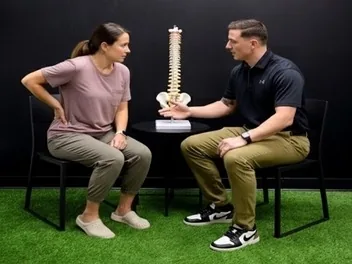
Patients often ask if their headaches are migraines or if neck problems can cause migraines. The answer is nuanced. Neck dysfunction can trigger or amplify migraines in some people, even when the root process is neurological. In others, the headache is purely cervicogenic, meaning it originates from neck structures. Many live between categories. From a practical standpoint, if your headaches ramp up with neck rotation, poor sleep posture, or long screen time, and if your neck feels stiff and sore to the touch, addressing the neck is worthwhile whether you carry a migraine label or not. Work with your primary care provider or neurologist if you have classic migraine signs, and loop in a chiropractor or physical therapist for the neck piece. It is a team sport.
What to expect at a chiropractor after a car accident or during your first visit for headaches
A first visit has three parts. We talk through your symptoms and history, we examine how you move and what reproduces your pain, and we lay out a plan. You should leave with clarity about what we think is going on, what we will do in clinic, what you will do at home, how often we will meet, and when we will expect change. If the plan includes coordination with urgent care or your primary for imaging or an EMC determination for PIP, that is explained up front.
Treatment that day is usually gentle. For whiplash or acute neck pain, we focus on calming techniques and small movements that reduce guarding. For posture related headaches, we often include upper neck mobilization, soft tissue work for the suboccipitals and upper traps, and a couple of drills you can use between meetings to reset your neck and shoulders. If you are nervous about adjustments, say so. There are effective non thrust options.
When headaches mean business
Most neck related headaches are uncomfortable, not dangerous. Still, a few patterns call for prompt medical evaluation. A new, severe thunderclap headache, a headache with fever or a stiff neck that is not just muscular, a headache that follows head trauma with confusion or vomiting, sudden neurological changes like facial droop or slurred speech, and headaches that wake you from sleep with worsening intensity over days all deserve urgent care. If you are not sure, err on the side of getting checked.
Simple daily moves that reduce neck driven headaches
You do not need a gym to change how your neck feels. These two minute moves cover most bases.
- Chin nod and lift. Lie on your back or sit tall. Gently nod as if saying yes, creating a small double chin. Hold three seconds, relax, repeat ten times. Follow with ten slow reaches of the crown up, as if growing taller.
- Shoulder blade slides. Stand against a wall, elbows bent, and slide your forearms up a few inches while keeping your ribs down. Five slow reps. Breathe.
- Neck rotations to the easy side. Turn your head toward the side that feels easier, hold three seconds, return to center, repeat five times. Then try the other side.
- Suboccipital release. Place two tennis balls in a sock, lie on your back, and rest the balls at the base of your skull, not on the bones. Breathe for a minute. If the pain sharpens, stop.
- Box breathing. Inhale four seconds, hold four, exhale four, hold four. Two rounds resets tension more than you would expect.
Most people feel a small but real change right away. Stack that change three times a day, and your baseline shifts.
Answers to questions I hear often in Jacksonville
Can poor posture cause neck pain and headaches? Yes, especially when the head sits forward and the upper back stays rounded for hours. It is not one moment that does the damage, it is time under load.
Why does my neck hurt after sleeping? Common culprits include too high or too low a pillow, sleeping face down with the neck rotated, or falling asleep on the couch with your head flexed. A pillow that keeps your neck in line usually fixes a lot within a week.
How long after a car accident can neck pain start? Right away or up to several days later. Delayed onset is common.
Can a car accident cause sciatica or shooting pain down the leg? Yes, especially if the low back was involved, but leg pain after a crash can also come from hip or SI joint irritation. If you feel numbness, weakness, or changes in bowel or bladder function, seek urgent care.
Can a chiropractor help with soft tissue injuries after a crash? Usually, yes. Expect a combination of manual therapy, gentle exercise, and guidance on pacing activities. If imaging or a medical referral is needed, that should be arranged.
Does chiropractic care help with chronic back pain and recurring headaches? It can, especially when paired with strength work, sleep improvement, and stress management. Adjustments alone help many people, but the combination keeps progress from fading.
How often should you get adjusted? Enough to create change, not so much that you rely on the table instead of your habits. For many, that looks like weekly for a short period, then tapering to every few weeks as your home program carries more of the weight.
How do I know if I have whiplash after a car accident? If you have neck stiffness, reduced range of motion, headaches starting at the base of the skull, and soreness into the shoulders or between the shoulder blades after a rear end collision, you likely have a whiplash type injury. An exam can confirm and rule out more serious issues.
What happens if you wait too long to see a chiropractor after an accident? From a health standpoint, you may spend extra weeks in pain that could have been shortened. From an insurance standpoint in Florida, waiting more than 14 days may pinched nerve chiropractor Jacksonville, FL limit or eliminate PIP coverage for treatment.
The bottom line for neck problems and headaches
Neck problems can absolutely cause or amplify headaches. The posture connection is real, but it is not about holding a perfect pose. It is about letting your tissues share the load throughout the day, restoring motion to stiff joints, and building capacity so your neck does not have to act like a cable holding a bowling ball in front of your shoulders.
If you are in Jacksonville and wondering whether to see a chiropractor for neck pain and headaches, or after a minor car accident, a prompt, thoughtful evaluation is a safe starting point. If PIP applies, remember the 14 day window. Whether your headache is cervicogenic, tension type, or migraine with a neck trigger, addressing the neck usually helps. Combine hands on care with a few minutes of daily movement, honest sleep, and practical ergonomics. With that mix, most people get meaningful relief, and many get their afternoons back.
Full Swing Healthcare - Injury & Sports Care Jacksonville 1. Address: 13770 Beach Blvd #4, Jacksonville, FL 32224 2. Phone: (904) 539-3352 3. Hours: M - F: Thursday: 9:00 AM – 7:00 PM Friday: 9:00 AM – 1:00 PM Saturday: Closed Sunday: Closed Monday: Closed Tuesday: 9:00 AM – 1:00 PM Wednesday: 9:00 AM – 7:00 PM 4. Full Swing Health offers the following services: Chiropractic Care Acupuncture Shockwave Therapy Myofascial Cupping Myofascial Scraping (IASTM/Graston Technique) Massage Therapy Dry Needling Athletic Recovery Family Wellness Care Auto Injury Treatment Work Injury Treatment Prenatal Chiropractic Care Postpartum Recovery Care The clinic also treats conditions such as back pain, sciatica, neck pain, whiplash, herniated discs, headaches, plantar fasciitis, and sports injuries.