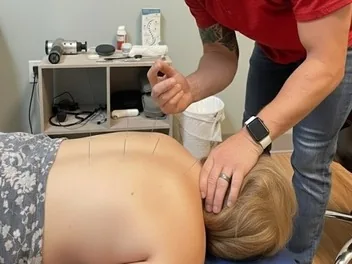
Why Does My Back Pain Keep Coming Back? Root Causes and Fixes
If you have a few good weeks, then your back flares out again for no obvious reason, you are not imagining it. Recurrent back pain tends to follow patterns. I see it after car accidents, long desk days, weekend yard work, marathon training, pregnancy, even after a seemingly harmless slip when carrying groceries. The pain comes, settles a bit, then swings back when you return to normal life. The stop and start can feel maddening.
Last year, a patient I will call Teresa came in after a rear end collision at a downtown Jacksonville stoplight. Her scans were clean, but her neck felt stiff, her mid back ached when she sat, and her lower back screamed during every drive on I‑95. She felt better within two weeks of care, then the aches returned a month later when she upped her hours at the office and skipped the home exercises. That pattern is common, and the fix is rarely one thing. It is a set of levers you adjust over time.
Let’s unpack why back pain likes to repeat itself and the practical steps that stop the cycle. I will also answer the questions I hear most in Jacksonville about accidents, PIP in Florida, whiplash, headaches, sciatica, office posture, costs, and what to expect at a chiropractic visit.
The big reasons back pain keeps coming back
Recurring back pain rarely means your spine is falling apart. In most cases, pain is the product of load, capacity, and behavior over time. If the load on your tissues keeps exceeding their capacity to tolerate it, pain returns. Capacity improves with sleep, strength, mobility, and well timed recovery. Load spikes with long static sitting, poorly planned workouts, stress, and repetitive positions.
Deconditioning sits at the center of many repeat flares. If your deep stabilizers and hip muscles do not share the work, your lower back ends up doing too much during everyday tasks, from picking up a laundry basket to pushing a stroller at the Jacksonville Zoo. The fix is not just stretches. It is progressive, targeted strengthening that brings those muscles back online so your spine is not the only workhorse.
Movement habits matter as much as strength. Many people hinge from the waist instead of the hips, brace their breath at the wrong times, or twist and reach without using their legs. Over a day, those little habits accumulate. Over months, they reinforce pain loops. The body adapts to how you use it. That is good news, because it means you can change the inputs and earn a different output.
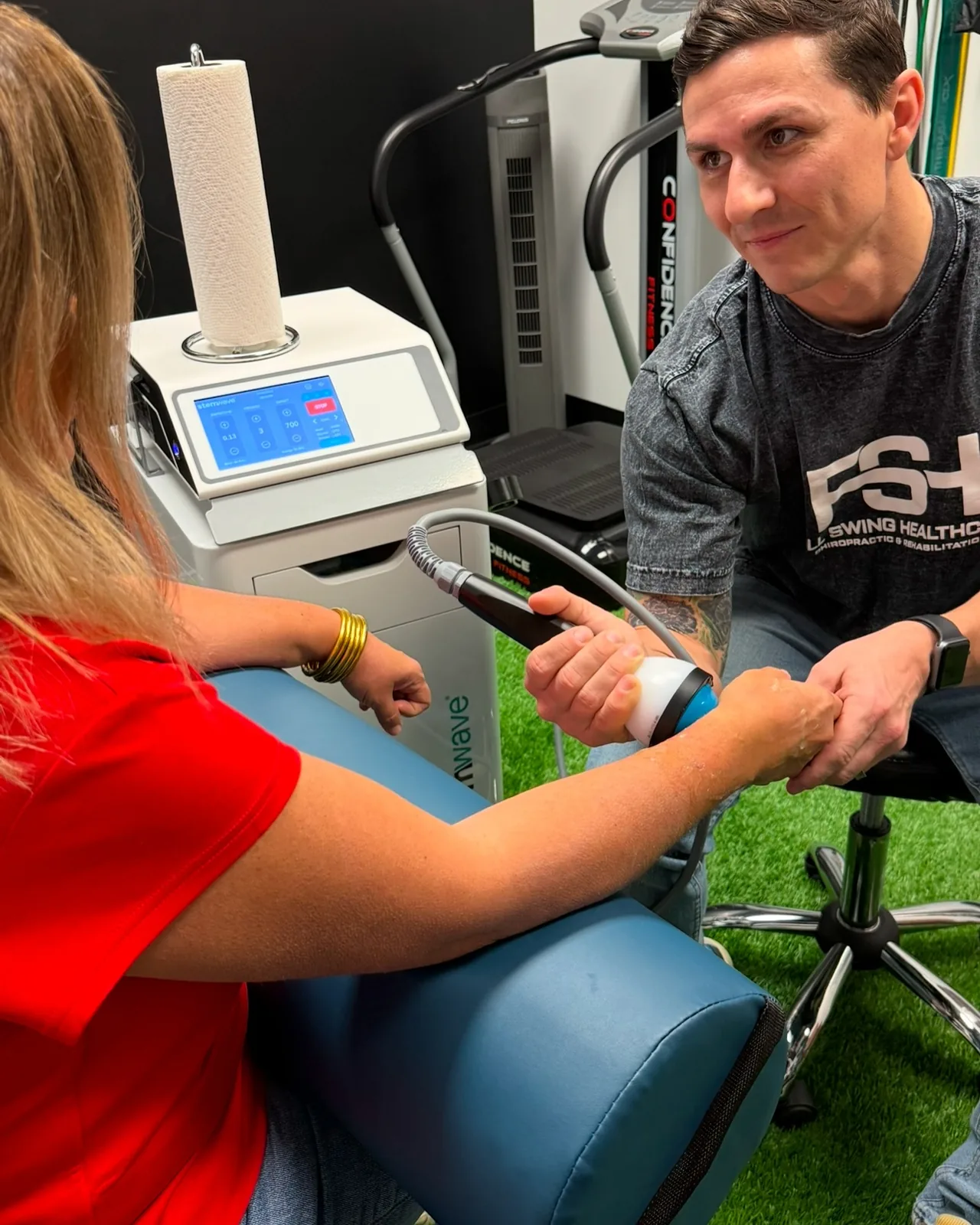
Stress, sleep, and mood color pain perception. After a fender bender or a flare at work, your nervous system often enters a guarded state. Muscles tighten. You move less. Sleep gets choppy. A few nights like that and even light loads feel heavy. Part of care is teaching the system it is safe to move again. Steady walks, gentle breathing drills, and predictable routines help more than most people expect.
The work environment is a quiet culprit. If your back hurts after working at a desk, it is usually the total time spent in one position, not the chair brand, that drives symptoms. Good posture is not a single pose. It is a range you explore while you work. Even a perfect setup fails if you never move. Microbreaks and simple mobility snacks every 30 to 60 minutes go a long way.
Finally, sometimes the pain is not coming from the place you feel it. Hip stiffness, a tight thoracic spine, or irritated nerves can all shape lower back pain. Neck pain can masquerade as headaches or shoulder pain. If your pain shoots down the leg, wraps into the groin, or travels from the neck into the eye, it is worth getting a skilled exam to sort out sources.
Strain, disc, nerve, or joint: what is different and why it matters
All back pain is not the same. A back strain feels achy, stiff, and tender to touch. It often eases with light movement and worsens after long sitting. Disc related pain can feel sharp with forward bending or sitting, and sometimes eases when walking or lying down. If a disc irritates a nerve root, you may feel sciatica, which is shooting pain down the leg, often with numbness or tingling. Facet joint irritation, the small joints at the back of the spine, tends to bark with extension, twisting, and standing still.
The difference matters because the best exercises and daily modifications depend on the driver. Sciatica vs lower back pain is a common fork in the road. True sciatica generally follows a pattern downstream, like pain into the calf or foot on one side, sometimes paired with weakness in a specific muscle group. Lower back pain without nerve features tends to stay local or refer into the hip or top of the thigh.
This is also where repeated flares can fool people. The first episode may start as a simple strain, but if you change how you move to protect it, you might overload a disc or a joint the next time. A thoughtful evaluation looks at how your spine moves under load, what calms it down, and which patterns keep poking it. That is how you break the loop, not just put out the current fire.
Why pain can worsen days after a crash
It is common to feel fine at the scene, then wake up sore 24 to 72 hours later. Adrenaline masks pain. Inflammation and muscle guarding take time to ramp up. With whiplash after a car accident, symptoms often peak a few days in, then improve over 2 to 6 weeks. Some people develop delayed whiplash symptoms like headaches, dizziness, or jaw pain. Others notice shoulder or mid back pain from the way the seatbelt restrained them.
Rear end collisions tend to push the neck into a quick back and forth motion. Even with a minor car accident, soft tissue injuries can be real. A chiropractor can help with whiplash using gentle mobilization, soft tissue work, specific exercises, and education that keeps you moving safely. If you are wondering how long whiplash lasts after a car accident, many recover in a few weeks, though a subset take a few months. The faster you restore comfortable movement, the better the outlook.
Neck pain can start right away or creep in later. If it combines with severe headache, double vision, loss of balance, new weakness, trouble speaking, or severe chest pain, go to urgent care or the ER. Those are not typical whiplash features and need medical evaluation. If your main question is whether to see a chiropractor or urgent care after a car accident in Jacksonville FL, use this rule of thumb. If you have red flag symptoms, head to urgent care or the ER. If you feel stiff, sore, and limited, and you can walk and talk without alarming symptoms, a chiropractor experienced with auto injuries is a good first stop and can coordinate referrals when needed.
Florida PIP basics that actually affect your care
Florida’s Personal Injury Protection, or PIP, is a common conversation in my Jacksonville office. PIP is designed to pay a portion of your medical bills after a car accident, regardless of fault. Here is the part people miss. There is a 14 day rule for car accidents in Florida. You must seek initial medical evaluation within 14 days of the crash to access PIP benefits. Many shoulder pain chiropractor Jacksonville, FL folks feel fine at first and wait, then neck or back pain shows up on day 8 or day 10. If you miss the window entirely, you can lose PIP eligibility. If you are asking what happens if I miss the 14 day PIP deadline in Florida, the short answer is that PIP can deny coverage for late claims. Talk to your insurer and, if needed, an attorney for your specific case.
Does PIP cover chiropractic care in Florida and can you use PIP insurance for a chiropractor in Jacksonville FL? In general, yes, PIP can pay for chiropractic treatment. PIP typically covers 80 percent of reasonable medical expenses up to the policy limit. Many policies list 10,000 dollars, but there are catches. Coverage beyond 2,500 dollars often requires a finding that you have an emergency medical condition, and Florida law limits who can make that determination. Chiropractors can treat you, but they may not be able to certify the emergency condition for the full benefit. Each insurer handles documentation differently, which is why you will see ranges instead of absolute rules here.
Do you need a referral to see a chiropractor after a car accident in Florida? Usually no. Florida allows direct access to chiropractic care. If you have questions like how much chiropractic care does PIP cover in Florida or does car insurance pay for chiropractic treatment after an accident, call your carrier and a local office that works with auto cases daily. In Jacksonville, many clinics can verify benefits for you and help keep your documentation clean. That alone reduces headaches later.
If you are juggling whether you need a chiropractor after a minor car accident, consider two points. First, minor crashes can still irritate soft tissues and joints. Second, the 14 day rule means it is safer to get checked promptly, even if you think you will bounce back quickly.
What to do right after a crash in Jacksonville
Use this simple plan to respect Florida’s timeline and take care of your body.
- Get evaluated within 14 days, even if your pain is mild. This preserves Florida PIP eligibility and helps catch issues early.
- Document everything, including symptoms that show up later like headaches, shoulder pain, or dizziness. Note the date they start.
- If you have severe pain, new weakness, difficulty breathing, confusion, chest pain, or uncontrolled bleeding, go to the ER or urgent care first.
- If your symptoms are moderate and you can function, schedule with a chiropractor experienced in auto injuries. Ask how they coordinate imaging or referrals if needed.
- Call your insurer to open the claim and confirm benefits. Ask what records they need and who can determine an emergency medical condition for your policy.
What to expect at a chiropractor after a car accident
Most first myofascial release chiropractor Jacksonville, FL visits run 45 to 60 minutes. We start with the story. Where were you seated, seat belt on, headrest height, rear end collision or side impact, did airbags deploy, any loss of consciousness. Next comes a focused exam. I check range of motion, joint mobility, muscle tenderness, nerve tension, reflexes, strength, and any positions that reproduce or relieve your pain. I am looking for patterns that indicate whiplash, joint irritation, soft tissue strain, or nerve involvement.
Do chiropractors take X rays on the first visit? Only if they are necessary based on your history and exam. If you have red flags like severe trauma, suspected fracture, major neurological deficits, or if imaging would change the plan, we will order it. Many car accident injuries are soft tissue issues that do not need immediate imaging. For headaches and neck pain, I screen for signs that would require medical imaging or referral.
Treatment on day one is gentle. Think guided movement, soft tissue work, joint mobilization or adjustments tailored to your tolerance, and specific home drills. Can chiropractic care help with soft tissue injuries after a crash? Yes, especially when paired with smart loading, breath work, and education. The goal is to restore painless motion early, reduce guarding, and give you just enough activity to promote healing without poking the bear.
How long does a chiropractic appointment take after the first day. Follow ups usually last 15 to 30 minutes depending on what we are doing. What should you wear to a chiropractic appointment. Comfortable clothes that let you move. Bring imaging or reports if you have them.
When to worry, and when to ride it out
After a crash or a flare from daily life, neck and back pain often feels worse the next day and eases over one to two weeks. Swelling, muscle guarding, and sleep disruption drive those first days. If your symptoms steadily improve, your strength and motion return, and daily tasks get easier, you are likely on the right track. If pain lasts more than a few weeks, worsens, or shoots down the arm or leg with weakness, get evaluated.
Headaches after a car accident can come from the neck, jaw, or a concussion. If you notice severe worsening headache, repeated vomiting, slurred speech, confusion, or coordination problems, seek urgent medical care. For tension headaches and migraines linked to neck issues or posture, chiropractic care, exercises, and ergonomic changes help many people. Yes, neck problems can cause headaches, especially at the base of the skull. Gentle joint work, trigger point care, and posture coaching make a real difference.
How chiropractors actually treat back and neck pain
Care is more than adjustments. A good plan aims at pain relief, function, and capacity. For lower back pain after a car accident, I often start with pain free movement drills, light soft tissue work for guarding muscles, and joint mobilization. As symptoms settle, we move into progressive loading. Hip hinges, carries, split squats, and mid back mobility become the backbone of future proofing. If you ask how chiropractors treat back pain, the honest answer is that we blend manual therapy, exercise, education, and, when appropriate, spinal adjustments. The mix changes as you improve.
For neck stiffness after sleeping wrong or after a crash, I use gentle mobilization, specific stretches for the upper traps, levator scapula, and pecs, and deep neck flexor activation. If poor posture is a driver, we coach the small habits. Can poor posture cause neck pain. Yes, particularly when combined with long screen time. If you spend hours looking down at a phone, that sustained flexion can irritate joints and muscles. The fix is not to hold your head perfectly upright all day. It is to vary positions, raise screens, and build endurance in the muscles that support you.
For sciatica, the key is to identify the pattern. If the nerve is irritated at the spine, certain directional exercises can reduce nerve tension. If hips are stiff, we mobilize them so the lower back is not the only area moving. Can a car accident cause sciatica. Yes, by irritating a nerve root or creating inflammation around the joints that narrows space. How long does sciatica take to heal. Many cases improve over 4 to 12 weeks with the right plan. What makes sciatica worse. Prolonged sitting, deep flexion first thing in the morning, and heavy lifting without hip support are common triggers. Can chiropractic adjustments help a pinched nerve. They can, as part of a broader plan that calms irritation, restores motion, and builds support.
Office life, driving, and the posture problem
If your back hurts after working at a desk, it is not just the chair. It is time under tension. Set a quiet chime to remind you to shift. Alternate sitting and standing if you have that option. Use a small footrest to change your hip angle. Keep the top third of your monitor at eye level and your keyboard close enough that your elbows hover near 90 degrees. For phone time, bring the screen to you, not your head to the screen. Why does my neck hurt from looking at my phone. Because hours in end range flexion load small joints and muscles that are not built for marathon holds.
Driving adds its own load. Why does my lower back hurt after driving. You are bracing in a semi reclined posture while vibrations travel through your spine. Hips stiffen, and your foot hovers on gas and brake, which tightens the right hip flexor and lower back. To prevent back pain while driving, bring the seat a hair closer than you think so your back migraine chiropractor Jacksonville, FL stays in light contact with the seat, set a slight recline, and use the lumbar support sparingly to meet the natural curve, not overarch it. Take two minute movement breaks every hour on long trips.
Here is a quick desk reset I give patients who work in downtown Jacksonville and the Southside.
- Sit tall, exhale slowly for six seconds, soften your ribs, and feel your sit bones for three breaths.
- Slide your chair back, hinge at the hips, and reach hips behind you, then return to tall sitting, eight easy reps.
- Pull the shoulders back and down lightly, then reach forward as if hugging a beach ball, five slow cycles.
- Gently rotate your thoracic spine, looking over each shoulder, five times each way.
- Stand, do ten slow calf raises, and take a short walk to refill water.
Two rounds of that, every hour or two, change how your back feels by 3 pm.
Sports, pregnancy, and family care questions
Runners and lifters ask whether chiropractic care can improve mobility and help prevent sports injuries. It can, when it focuses on the specific demands of your sport. For runners with back pain, I often find stiff hips, weak lateral hip control, and a rigid mid back. For lifters, patterning the hip hinge and bracing sequence makes the difference. A sports chiropractor can help shoulder pain from pressing or pulling by addressing the thoracic spine and rib mechanics, not just the shoulder joint.
Is chiropractic care safe during pregnancy and can it help pregnancy back pain. With appropriate modifications, yes. Pregnancy changes load sharing through the pelvis and spine. Many women feel lower back or pelvic pain in the second and third trimesters. Gentle mobilization, exercises for the glutes and deep core, and positioning strategies reduce pain. For pelvic pain during pregnancy, we avoid end range or aggressive work and use pillows and wedges for comfort. In Jacksonville, many prenatal chiropractors offer tables and techniques designed for pregnancy.
Is chiropractic care safe for children and when should a child see a chiropractor. For musculoskeletal complaints like sports strains, posture related neck pain, or mechanical headaches, gentle, age appropriate care is an option. The first step is always a careful history and exam, and we coordinate with pediatricians as needed.
Costs, frequency, and how many visits you might need
How much does a chiropractor cost in Jacksonville FL. Cash visits often range from 60 to 150 dollars depending on visit length and services. Insurance copays vary widely. With Florida PIP after an auto accident, many patients have little to no out of pocket cost until benefits exhaust, but you will still see explanations of benefits that show how the 80 percent coverage applies and what the insurer considers reasonable charges. Each plan is different, so benefit checks matter.
How many chiropractic visits do I need. For acute lower back pain without nerve involvement, many people feel much better within 4 to 6 visits over two to three weeks. For whiplash, a typical plan might run 6 to 12 visits over 4 to 8 weeks. Chronic back pain often benefits from a short relief phase followed by a strength and habits phase that can include periodic check ins over a few months. How often should you get adjusted. As often as it supports your progress and no more. Early on, two visits a week is common, then we taper as you build capacity at home.
Does chiropractic care hurt. It should not. Some techniques create mild soreness similar to a workout, but treatment should meet you where you are. If something feels too intense, say so. Good care is collaborative.
Is a chiropractor worth it for back pain. If your goal is to move better, hurt less, and understand how to keep it that way, the blend of hands on care and coaching can be valuable. The long term payoff comes from the exercise and habit pieces we build together.
When to see a chiropractor after a car accident in Jacksonville FL
If you were in a collision, even a low speed one, and you are asking when you should see a chiropractor after a car accident in Jacksonville FL, the short answer is within a few days for routine cases, and sooner if you hurt. It satisfies Florida’s 14 day PIP rule and gets you a clear plan. If you have severe pain, trouble breathing, chest pain, weakness, numbness in both legs, loss of bladder or bowel control, or a head injury with concerning symptoms, seek urgent medical care first. Once you are stable, follow up with chiropractic care to address the mechanical side of recovery.
Can a chiropractor help after a rear end collision. Yes. What injuries can a chiropractor treat after a car accident. Sprains, strains, whiplash related neck pain and headaches, joint restrictions, and some nerve irritations respond well. If something falls outside our lane, we refer or co manage. Why does my back hurt days after a car accident. Because inflammation and muscle guarding build, and because sitting more and moving less after the crash can stiffen you. Movement, guided care, and the right progression turn that around.
Headaches, neck pain, and the posture connection
Can neck problems cause headaches. Often. The joints and muscles at the base of your skull refer pain into the head. After a crash, poor sleep and stress turn the volume up. Whiplash can cause migraines in people who have a history of them. What causes tension headaches from neck pain. Usually a mix of sustained postures, upper back stiffness, and trigger points in the upper traps and suboccipital muscles. How are headaches connected to posture. If your head stays forward relative to your body for hours, those small muscles strain to hold position. Short breaks and targeted strength work do more than any gadget.
When should you worry about headaches after a crash. If they worsen sharply, wake you from sleep, come with neurological changes, or you have a head injury with confusion or vomiting, go to medical care. For run of the mill postural headaches, chiropractic care for headaches in Jacksonville FL can include gentle joint work, trigger point pressure, home stretches, and ergonomic tweaks.
Breaking the cycle for good
Here is what reliably helps people who keep seeing pain come back.
Start moving sooner than you think. Early, gentle motion tells your nervous system it is safe. That alone reduces guarding.
Close the strength gap. Build hip strength, deep core endurance, and mid back mobility. Two or three short sessions a week, 20 to 30 minutes each, beat a long workout once in a while. Expect 6 to 12 weeks for durable change.
Adjust how you load your day. Walk more. Break up sitting. For desk work, do the quick reset every hour or two. For drivers, change seat position and take brief breaks.
Sleep like it matters. Back pain improves faster with 7 to 9 hours of decent sleep. Keep the room cool and dark, and set a wind down routine. For side sleepers with neck pain, use a pillow that fills the space between your ear and shoulder. For lower back pain, try a pillow between your knees.
Manage flare ups smartly. A flare does not mean you are broken. Dial back, not down to zero. Swap heavy lifts for lighter versions. Use gentle mobility, short walks, and the exercises that usually help you. If pain shoots down the leg or arm or you have new weakness, get checked.
Finally, find a provider who answers your questions and gives you tools, not just treatments. If you are lining up your first chiropractic visit, know what happens during your first chiropractic visit. You will sit down, tell your story, be examined, and start a plan. If X rays or referrals are needed, your chiropractor should explain why. Ask anything on your mind, from back pain chiropractor questions in Jacksonville FL to Florida auto accident chiropractor insurance questions. Clear information is part of care.
Back pain is persistent, but it is not mysterious. When you understand the mix of load, capacity, and behavior, you can turn recurrent pain into a rare guest instead of a constant roommate. If you were recently in a crash, remember Florida’s 14 day rule, get checked, and keep moving. If your pain keeps returning during normal life, look beyond quick fixes. The steadier you are with the small, smart changes, the longer your back stays quiet.
Full Swing Healthcare - Injury & Sports Care Jacksonville 1. Address: 13770 Beach Blvd #4, Jacksonville, FL 32224 2. Phone: (904) 539-3352 3. Hours: M - F: Thursday: 9:00 AM – 7:00 PM Friday: 9:00 AM – 1:00 PM Saturday: Closed Sunday: Closed Monday: Closed Tuesday: 9:00 AM – 1:00 PM Wednesday: 9:00 AM – 7:00 PM 4. Full Swing Health offers the following services: Chiropractic Care Acupuncture Shockwave Therapy Myofascial Cupping Myofascial Scraping (IASTM/Graston Technique) Massage Therapy Dry Needling Athletic Recovery Family Wellness Care Auto Injury Treatment Work Injury Treatment Prenatal Chiropractic Care Postpartum Recovery Care The clinic also treats conditions such as back pain, sciatica, neck pain, whiplash, herniated discs, headaches, plantar fasciitis, and sports injuries.